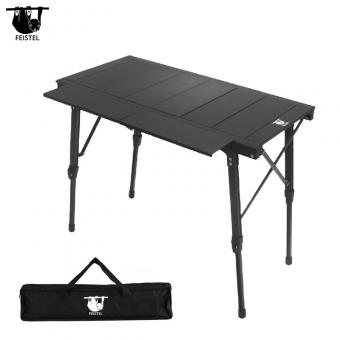
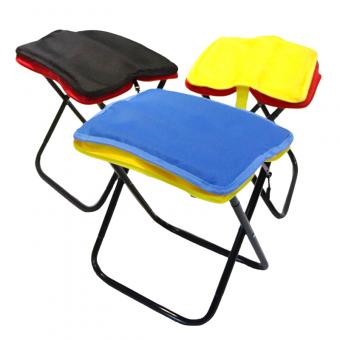
Бренд : ANHUI FEISTEL FACTORY Сопутствующее производство : OEM и ODM Изделие : Легкий, небольшой, складной стол для пикника, идеально подходящий для активного отдыха. Изготовлен из прочных материалов, портативен, прост в настройке.
Нил добро пожаловать на наш сайт!
узнать большеA single hammock is generally designed around one user and may favor compact packing. A double hammock commonly provides greater width for spacious solo positioning or shared lounging. Neither name guarantees a particular size, verified load rating, or a good two-person overnight sleeping experience.
A double hammock is not a double-layer hammock. The first term concerns size or intended use; the second concerns whether the bed has one or two fabric layers. Both questions matter independently when selecting a comfortable camping system.
At FEISTEL, we recommend evaluating usable length, width, material construction, suspension, the intended users and expected climate together. Comfort cannot be established by width or a capacity number alone.
Comfort is not one measurable specification. It is the result of several variables interacting at the same time.
A hammock can feel comfortable because its fabric is soft against the skin. Another camper may care more about being able to lie diagonally without shoulder pressure. Someone camping in summer may prioritize airflow, while the same person in autumn may care far more about underside insulation.
A single camping hammock is usually designed with one user in mind. Compared with a similar double, it often has a narrower fabric bed. But there is no universal international size hidden inside the word single. One compact model may be intended for afternoon rest, while a longer model can be designed for overnight use.
Consider actual open length and width, finished textile specification, packed configuration, supplied straps and intended capacity. A narrower bed can reduce fabric usage and packed mass, but it may not suit every adult body size or preferred position.
We advise buyers to check whether the seat or sleeping dimensions shown in marketing reflect the usable fabric bed, rather than a measurement including suspension elements.
A single hammock makes the most sense when the user values one controlled sleeping space, predictable packing, and simple setup. But a narrower bed should not be sold as a punishment for someone traveling alone. Some campers genuinely enjoy the closer fabric around their body. Others want more space. What matters is whether the fabric supports a workable diagonal posture and whether its length is appropriate. Before selecting a model for a retail range, ask who will carry it, where they will hang it, whether it will be slept in, and whether the buyer owns other insulation. A student using the hammock for lunch breaks in the park is making a different choice from a long-distance backpacker planning several cool nights outdoors. Even two solo backpackers might choose differently: one may minimize grams, while the other may prioritize the ability to change position. We would present both preferences as legitimate rather than trying to force them into one winner. When the actual use has been identified, the hammock width becomes a design choice rather than a label that decides everything.
The main attraction of a double camping hammock is the extra room. One person may enjoy the wider bed alone, or two people may use it for relaxed daytime lounging where the model permits. Additional space can help a person shift position or lie diagonally, though excessive fabric can rise around smaller sleepers and add carried weight.
Two-person lounging is not the same as two-person overnight sleeping. Shared movement, body positions and thermal insulation all become more complicated when two people attempt to sleep on one flexible bed.
The stated occupant count should always be considered alongside the actual rated load, user instructions and approved hardware. The name double does not override those limitations.
One of the easiest ways to make a poor hammock recommendation is to confuse daytime lounging with overnight sleeping.
During a warm afternoon, users may only need enough fabric to recline comfortably and enough suspension to hang between two trees. The hammock does not necessarily need an underquilt, mosquito net, rain tarp, ridgeline organizer, or overnight storage.
Before assuming a narrow hammock is the problem, check its setup. A too-tight hang or unsuitable centerline position can make adequate fabric feel restrictive.
We suggest adjusting one variable at a time: suspension height, sag, diagonal body position and head-to-foot placement. If the shoulders or legs still lack usable room, a longer or wider hammock may be more appropriate.
A double hammock is especially appealing to someone who wants a broad place to rest without the fixed footprint of a lounge chair. It can suit couples relaxing together, a person who likes a wide diagonal sleeping position, or a traveler who does not want a tight cocoon sensation. At the same time, two-person use introduces questions that one-person use does not. The combined load must remain within documented limits, both users need a workable entry method, and the flexible surface moves as people shift. An outdoor retailer should describe these conditions clearly rather than simply printing “2 Person” in large letters. The width that makes a hammock welcoming for two people during a picnic might not give each person an independent sleeping space for the entire night. A double hammock should therefore be evaluated for its stated purpose: shared short-duration lounging, solo overnight sleeping, or another defined situation. Greater size is useful when it solves a real spatial need, not when it merely makes the product name sound more substantial.
Extra fabric creates room, but it does not change the laws of suspension. A broad hammock may accommodate a useful diagonal posture and make casual lounging feel expansive. It does not automatically make the body lie horizontally, remove fabric ridges, or solve cold air circulation beneath the sleeper. It also does not prove a higher capacity. Think about what the user actually experiences: room to move the shoulders, room to extend the legs, sidewalls that may surround the head, and fabric that moves differently under different positions. This is the type of information a comparison should explain. When shopping images show an occupant comfortably stretched out, they rarely reveal the exact hang angle or body dimensions. The photograph is useful inspiration but not an engineering specification. A buyer still needs dimensions, setup guidance, and realistic expectations.
|
Question |
Single hammock |
Double hammock |
|
Typical purpose |
One-person recreation or sleep |
Spacious solo use or shared lounging |
|
Fabric width |
Often narrower |
Often wider |
|
Carry weight |
Can be lower if materials match |
May add fabric weight |
|
Overnight fit |
Depends on dimensions and user |
Extra positioning room for some sleepers |
|
Two-person night |
Not generally intended |
Not automatically comfortable or approved |
|
Structural capacity |
Model-specific |
Model-specific, not guaranteed higher |
Yes. Many campers like the extra fabric in a double-width hammock even though they camp alone. A wide bed can provide room to rotate the body and experiment with a diagonal lay, which can feel less curved than lying directly along the centerline.
However, a very wide bed can create more loose fabric than a compact user wants. Decide whether the benefit outweighs the weight and packing trade-off. At FEISTEL we treat spacious solo use as an independent use case, not an accidental consequence of a two-person product.
Two people may enjoy brief shared lounging when the model permits it and their combined load remains within the published limits. Continuous overnight sleep is another matter. When one person turns, the shared fabric moves; occupants may drift toward the low point and interrupt one another.
The same sleeping pad or underquilt that covers one body may not provide suitable coverage for two. One person exiting also changes the balance of the hammock. For couples who prioritize independent sleep, two individual systems may be more suitable.
We would not advertise a double hammock as a guaranteed two-person overnight bed merely because it has a wide fabric body.
“Two person” sounds precise, but it leaves unanswered questions. Are two adults expected to sit together for a few minutes or sleep in the bed through the night? Does the rated load apply to the complete supplied suspension system? Are the users expected to move independently? Does the design have enough fabric to prevent uncomfortable crowding? A product label cannot answer all of these without supporting details. In FEISTEL content, we can make the distinction visible by describing a wide hammock as suitable for spacious solo relaxation and shared leisure use where allowed, while avoiding an unsupported promise of excellent two-person overnight sleep. This approach is commercially useful because it reduces unrealistic expectations. A confident buyer knows what they are purchasing and what additional equipment may be required. More importantly, the product specification stays consistent with the limits that the supplier can actually document.
When two people lie in one flexible hammock, the surface deforms beneath their combined load. They may slide toward the lowest portion and press together more than intended. This does not automatically mean the hammock is defective; it is a possible characteristic of shared suspended fabric. First make sure the product is actually intended for two-person use and that the entire arrangement is within the specified limits. Next, consider whether the activity is a short shared lounge or overnight sleeping. For the latter, two independent hammocks may provide better freedom of movement and separate temperature management. A bigger bed can offer more space, but it cannot make two users mechanically independent. Explaining this distinction prevents disappointments that are otherwise easy to blame on insufficient width alone.
A double hammock usually indicates width or intended shared leisure use. A double-layer hammock has two fabrics in its bed construction. A double-width hammock may use one layer, and a single-user hammock can be built with two layers.
That difference matters when buying or specifying a hammock. Ask whether the buyer wants more usable bed area or a change in the way the textile structure behaves. A product title should identify both features separately where relevant.
A double-layer bed becomes attractive when the additional material has a defined job. A pad-compatible compartment can simplify the sleeper's insulation setup. Two layers can alter stretch and support sensation. A particular construction may also be engineered to meet a load requirement, but only the actual verified configuration establishes what it can carry. These benefits carry costs: added mass, potential drying time, more sewing operations, and sometimes more difficult pad access. The development question is therefore not whether two layers sound more luxurious, but whether the second layer makes the product measurably or experientially better for its target use. Product teams should request clear drawings of layer openings and sewing arrangements, then inspect a sample with the intended pad. A double-layer label without those details is incomplete purchasing information.
A single-layer hammock has one primary load-supporting fabric layer. This simple construction is common in compact gathered-end designs and can make packing, drying and inspection straightforward.
That simplicity is not, by itself, evidence of lower strength or poorer comfort. Fabric characteristics, shape, seams and suspension determine how it feels and performs. A single-layer design can work very well with a separately suspended underquilt.
A single-layer construction can be preferable when the buyer wants a straightforward suspended bed with low material mass. The fabric can be easier to inspect, and no layer compartment is required if the camper uses an underquilt or only lounges in warm conditions. There is also less opportunity for moisture to become trapped between separate bed layers. None of this means that every single-layer hammock is superior or more breathable; the actual fabric and design still determine those outcomes. A buyer should identify the problem the second layer would solve before requesting it. If there is no requirement for a pad sleeve, reduced stretch, or a particular verified structural specification, a well-executed single-layer product may provide exactly the intended experience. Avoid adding construction complexity simply because another supplier markets two layers as a premium feature.
Only when the particular double-layer construction allows it. Some designs provide a compartment intended to hold a compatible pad. Others join the layers so closely that there is no useful opening.
Check usable pocket dimensions, opening location, pad width and thickness, and whether the pad stays positioned while the camper moves. Never assume that all double-layer hammocks accept thick inflatable pads.
A slipping sleeping pad is frustrating because it can wake the sleeper and expose an uninsulated area to cool air. First check whether the pad size and shape are suitable for the hammock. A wide or rigid pad may resist the curve of a narrow bed, while a small pad can leave the shoulders uncovered. A double-layer compartment may help when the construction provides adequate room and accessible openings, but not every two-layer hammock does so. Some users prefer an underquilt that hangs outside the bed. Others accept a little pad adjustment to use equipment they already own. The correct solution should be tested in actual use. Marketing copy should never promise that a double layer will completely prevent movement without verifying the specific pad and hammock combination. Buyers benefit from compatibility guidance much more than generalized claims of perfect insulation.
Two thin nylon layers do not automatically replace purpose-designed insulation. Air moving beneath a suspended sleeper can carry away heat, and sleeping-bag loft compressed beneath the body becomes less effective.
A compatible pad between layers may improve thermal comfort, but the warmth comes principally from the insulating system and fit, not the double-layer designation itself. Users should plan for expected overnight temperature and wind.
Thermal comfort is one of the most important differences between afternoon hammock lounging and overnight hammock camping.
When the sleeper lies on part of that insulation, body pressure compresses the fibers and reduces the loft beneath the body.
A hammock may feel excellent immediately after setup and less comfortable hours later. Body position drifts. Temperature falls. An underquilt may leave an air gap after the sleeper moves. Insects may become active, or wind may bring rain beneath a short tarp. Even reaching for a headlamp can become irritating if storage is poorly designed. These are system-level experiences, not necessarily defects in the fabric bed. Before a trip, spend an extended session with the actual arrangement rather than judging it after a short demonstration. Practice entry, adjustment, thermal protection, and nighttime storage. A comfortable hammock camping system is one the sleeper can operate when tired, cold, or in darkness. Long-form buying guidance should account for those moments rather than only describing the first impression of softness.
A sleeping pad sits with the user or in a suitable layer compartment. It can be convenient for campers who also sleep on the ground, but narrow pads may leave shoulders exposed and may shift inside the flexible bed.
An underquilt hangs beneath the hammock to provide lofted insulation without the sleeper compressing it. It requires compatible attachment and careful adjustment to avoid gaps.
Neither solution is universally superior; choose according to climate, equipment already owned, pad compatibility and trip priorities.
A conventional sleeping bag works, although entering and zipping the bag inside a hammock can feel restrictive to some campers.
Top quilts remove much of the underside material that would otherwise be compressed beneath the sleeper.
Width determines lateral positioning freedom while length determines available space between the gathered ends. A very wide but short hammock may feel restrictive to a tall sleeper; a long narrow bed may provide insufficient shoulder room.
Fabric stretch, suspension sag and body proportions further change the occupied shape. This is why a 10- or 11-foot length is a practical preference for some adult campers rather than a scientifically fixed optimum.
Product specification sheets should identify actual open fabric dimensions and explain whether accessories are included in any overall measurements.
Longer gathered-end hammocks generally provide adult sleepers with more fabric length for creating sag and experimenting with diagonal body positioning.
This is one reason approximately 10- to 11-foot hammock bodies have become common among overnight hammock campers.
Smaller sleepers do not necessarily need the widest hammock available. Too much loose fabric can create tall sidewalls or obscure the view, particularly when the occupant is positioned low within a gathered-end bed. On the other hand, some shorter campers prefer the enclosed feeling and appreciate room to rotate. The appropriate choice depends on body proportions and intended activity. During sample evaluation, ask whether the user can enter naturally, reach storage accessories, and find a relaxed position without excess fabric covering the face. If a mosquito net is attached, confirm that it remains sufficiently away from the occupant. A hammock marketed as “one size fits all” may be convenient inventory management, but it should not be mistaken for a scientific statement about universal comfort. A product range can serve people more effectively when choices are explained by fit and use rather than marketing hierarchy.
In a gathered-end hammock, many campers lie diagonally rather than exactly along the deepest center curve. This may create a more comfortable effective line for the torso and legs.
Shoulder squeeze is a feeling of fabric pressure around the upper body. Calf ridge describes concentrated tension beneath the lower leg. Too little room, excessive tightness, fabric behavior or unsuitable body position may contribute to either sensation.
The first step is to check hanging geometry and try small body-position adjustments. If the issue persists, a different length, width or construction may suit the user better.
A diagonal lay means positioning the head toward one side of the hammock and the feet toward the opposite side rather than lying exactly parallel to the suspension line.
In a sufficiently long and appropriately hung gathered-end hammock, the diagonal position can reduce the feeling that the knees and torso are being pushed into a deep center curve.
Calf ridge is the term hammock campers often use for a concentrated band of fabric tension pressing upward beneath the lower leg.
Possible contributing factors include insufficient hammock length, too much suspension tension, insufficient sag, body placement too close to one end, an unsuitable diagonal position, and fabric stretch characteristics.
The purpose is not to create a universal ergonomic angle. It is to compensate for the tendency of some sleepers to slide toward the center or foot side of the hammock.
Before replacing the hammock, inspect how it is hung. Many beginners pull the suspension until the fabric seems almost straight between the anchors. That can change the way the bed supports the body and increase the forces in the suspension. Check the instructions, then experiment with an appropriate amount of sag. Try moving the body diagonally rather than lying perfectly along the centerline. Notice whether the shoulders remain crowded or a calf ridge persists. Adjust one variable at a time; changing the tree spacing, hang height, and sleeping position simultaneously makes it difficult to tell which change helped. If discomfort continues despite a reasonable setup, the design may simply be too narrow or short for the user. This troubleshooting sequence is more useful than the blanket advice to buy the largest double hammock available.
Hammock geometry changes dramatically with suspension tension. In a simplified symmetric suspension, line tension increases as the lines approach horizontal, because the vertical components must still support the occupant.
Campers commonly use about a 30-degree angle as an initial setup reference, but it is not a universal comfort standard for every hammock. Follow the relevant instructions and avoid unnecessarily high installations.
At FEISTEL we consider adjustable, understandable straps part of the user experience rather than a minor packaging extra.
Beginners often pull hammock suspension extremely tight because they assume tight fabric will create a flatter bed.
The often-repeated recommendation of roughly a 30-degree suspension angle is useful as a starting reference, but it should not be treated as a universal scientifically established comfort optimum.
A structural ridgeline connects the two gathered ends of certain hammocks and helps limit how far apart those ends can move.
When discussing hammock specifications at FEISTEL, we distinguish two different decisions: how wide the hammock should be and how many fabric layers the hammock body should contain.
A double hammock describes a size or intended-use category. A double-layer hammock describes a particular construction method. Confusing these two characteristics can lead to an unsuitable product specification.
For instance, a customer developing a lightweight hammock for spacious solo camping may benefit from a wide single-layer design. Another customer developing a hammock intended to accommodate a sleeping pad between fabric layers may need a different construction, even if the hammock is designed for only one person.
Our recommendation is to define usable width, fabric-layer count, material specification, and intended load separately before sample production. These characteristics influence different aspects of the finished product and should not be combined into a single marketing term.
At FEISTEL, we recommend assessing hammock samples in their actual suspended configuration rather than judging them only on a cutting table or from technical drawings.
For a meaningful comparison, we suggest keeping the hammock length, width, suspension arrangement, and loading conditions as consistent as possible, then examining differences in fabric stretch, occupied shape, and ease of movement.
For double-layer constructions, we also recommend checking whether the two layers interact as intended. If the design includes a sleeping-pad compartment, buyers should verify the usable opening, the compatible pad dimensions, and whether the pad remains properly positioned when the sleeper moves.
These checks are useful during product development, but they should not be described as completed FEISTEL laboratory experiments unless corresponding test records are available.
At FEISTEL, we recommend evaluating double hammocks for two different purposes: shared recreational lounging and spacious solo use.
For a solo camper, additional width can provide greater freedom to experiment with diagonal sleeping positions. This may be particularly useful for someone who dislikes the restrictive feeling of a narrow hammock.
For two people, the evaluation becomes more complex. The combined load, movement between occupants, usable space, and suspension arrangement must all be considered.
We would not automatically recommend one double hammock as the ideal overnight sleeping solution for every couple. A product that is enjoyable for two people during a short afternoon rest may feel very different when both occupants attempt to sleep for several hours.
Our advice is to define the intended number of simultaneous users separately from the hammock's marketing designation.
Mosquito exposure can disrupt sleep regardless of fabric width. An integrated or compatible net may matter much more in insect-heavy climates than adding extra centimeters to the bed.
Our 300 × 200 cm Double Mosquito-Net Hammock illustrates a different product direction within the FEISTEL hammock category. Buyers should verify the actual model’s net design, zippers, included accessories and current specifications.
A double-layer fabric bed should not be described as universally mosquito-proof; a properly installed insect-protection system addresses the issue more directly.
A broad fabric bed is not a waterproof shelter. Tarp coverage depends on actual suspended length, pitch, ridgeline location and the likely direction of rain.
A larger tarp can offer more shelter and covered storage but adds material and setup work. Backpackers and vehicle campers may reasonably choose different trade-offs.
Never assume a hammock is suitable for overnight weather merely because it is labeled camping.
Comparing a bare fabric hammock with an integrated shelter is misleading if they include different components. The overnight system may require straps, hardware, bug net, tarp, guylines, stakes, pad or underquilt and top insulation.
We suggest recording bare body weight, packed product weight and complete expected system weight separately. Weight-conscious buyers then have a meaningful basis for choosing between single and double formats.
hammock body;
tree straps;
suspension hardware;
bug net;
rain tarp;
tarp ridgeline;
guylines;
stakes;
bottom insulation;
top insulation;
storage accessories.
A 450 g hammock cannot fairly be compared with a 1.2 kg integrated shelter if the lighter hammock still needs another 700 g of protection and insulation to perform the same job.
However, a three-season hammock shelter can require weather protection, insect protection, insulation, additional suspension, stakes and guylines.
At that point, the comparison should be: complete hammock shelter system vs complete tent shelter system.
The retail package influences the user's first and last minutes with the hammock. An attractive bag may display the product well, but can the owner repack the fabric without fighting the zipper? Are the straps separated from the nylon body to prevent dirt transfer? Do instructions identify the suspension components and intended use? In a wholesale program, the packing configuration also affects shipping volume, shelf space, and product identification. We recommend checking real packed dimensions with all included accessories rather than measuring the hammock fabric alone. An undersized stuff sack can make a product feel inconvenient even when the bed itself is comfortable. Clear labeling helps avoid confusion between double-width and double-layer products. These practical details may not appear in online comfort rankings, yet they shape how the customer experiences the product throughout ownership.
For long-distance backpacking, the complete carried mass and packing volume matter. A single hammock can save fabric weight, while a compact double may justify modest additional mass if it fits the user better.
For vehicle-accessible camping, a larger bed, longer straps and more generous weather protection may be easy to carry. Neither category is automatically the most comfortable: the distance carried and duration slept should guide the choice.
Compare hammock body weight, suspension weight, bug-net weight, tarp and stakes, underquilt or pad, top insulation, and complete packed volume.
The user may reasonably choose a wider hammock, longer straps, a larger rain tarp, a heavier underquilt, additional pillows, storage organizers, or a portable hammock stand.
The words “lightweight” and “double” are not mutually exclusive. A wide nylon bed can still pack compactly because it has no rigid frame. This can be attractive to people who value more space but do not want the weight of a heavy leisure hammock. However, headline weights require caution. Is the figure for the fabric alone or the full supplied set? Are straps, connectors, and a bag included? Has the packed size been measured realistically? FEISTEL's 300 × 200 cm nylon model illustrates the design direction through its published dimensions and low listed unit weight, but those figures should remain clearly identified as product-page specifications. The buyer must still consider whether the bed is suitable for overnight use with the required protection and insulation. A good compromise is one that preserves the features the camper actually needs rather than winning an isolated weight comparison.
An anchor-independent stand can be useful for patios, resorts, beaches and vehicle camping where appropriate trees do not exist. It generally brings substantially more bulk than a strap-suspended fabric hammock.
The FEISTEL Portable Double Hammock with Steel Stand illustrates this separate use case. Its page lists multiple height positions and a stated 450 lb rating; those published specifications should be verified for the chosen SKU.
This design solves an anchor problem rather than competing directly with an ultralight backpacking hammock.
An advertised load is not proof of a universal service life, unlimited repeated impact tolerance, or a particular sleeping experience. Body fabric, stitching, straps, connectors, anchors and installation must all be appropriate.
For procurement decisions, request documentation that identifies the tested model and configuration and avoiding unsupported statements such as “twice the fabric means twice the capacity.”
Before each trip, inspect visible damage, wear, deformed hardware and degraded loops, and avoid installing a hammock unnecessarily high above the ground.
A hammock can theoretically support a user's weight while still being uncomfortable because it is too short, too narrow, or excessively stretchy.
Weight capacity should therefore be treated as a structural specification rather than a comfort score.
A statement that a hammock will last a specified number of years sounds reassuring, but a lifespan claim needs a defined basis. Usage frequency, loading, UV exposure, moisture, care, and damage vary widely. A nylon bed kept dry indoors between occasional outings may face different conditions from a resort hammock left outside. Testing a material under one condition also cannot automatically establish the service life of the complete system. For FEISTEL, the appropriate editorial practice is to identify any tests actually performed on the relevant model and explain their scope. If no life-cycle record is available, recommend inspection and care rather than promising a number of hours. This makes the content useful to buyers and leaves room to publish verified evidence later without contradicting earlier claims.
Remove debris, follow the model-specific cleaning instructions, and dry the equipment appropriately before enclosed storage. Inspect end attachments and straps separately from the bed fabric.
Double-layer designs may retain moisture between fabrics, so their drying process deserves attention. Do not infer an exact usable lifespan solely from nylon, polyester or the number of layers.
At FEISTEL we favor care advice that describes observable checks rather than promising an unverified number of years or use hours.
|
Item |
Buyer question |
|
Intended use |
Solo sleeping, shared lounging or overnight use? |
|
Size |
Actual bed length and width? |
|
Construction |
Single layer, double layer, accessible pad sleeve? |
|
Textile |
Fiber, weave, fabric weight, coating and sewing? |
|
Suspension |
Strap length, connectors and adjustment method? |
|
Capacity |
Documented rating for which finished SKU? |
|
Travel |
Complete packed dimensions and weight? |
|
Protection |
Net, tarp and insulation compatibility? |
|
Branding |
Logo, color, labels and packaging? |
|
Quality |
Sample approval and inspection criteria? |
A good sourcing brief begins with the user and environment. State whether the item is a day-use travel hammock, an overnight backpacking bed, a family campsite leisure product, or a stand-supported resort accessory. Define the relevant dimensions and fabric construction separately. Specify the complete supplied set: straps, connectors, carry bag, bug net, and rain protection if included. Record the target weight and how it will be measured. If a pad compartment is requested, state the compatible pad dimensions rather than using the vague phrase “double layer.” Clarify the market and any required conformity or performance documentation. Then approve a sample that matches the actual specification. This sequence can reduce confusion across sales, sampling, and production. For FEISTEL, the useful outcome is not simply an order for a wider hammock; it is a product configuration that solves the intended customer's actual problem.
Assuming double means double-layer.
Assuming wider is always more comfortable.
Believing two layers automatically keep a sleeper warm.
Assuming double means two adults can sleep together comfortably all night.
Comparing hammock-only weight with complete shelter weight.
Using a fabric specification as proof of finished load capacity.
Ignoring anchor suitability and suspension instructions.
Choosing a pad without checking a double-layer compartment.
Most of these buying mistakes start with the same shortcut: asking a brief product label to stand in for the entire user experience. The remedy is to evaluate the complete intended system.
A first-time customer can be overwhelmed by width, denier, layers, straps, ridgelines, and thermal accessories. A helpful buying guide should put the decisions in an order that mirrors real use. First ask whether the hammock is for daytime relaxation or overnight sleep. Then ask whether one or two people will occupy it simultaneously. Next consider body fit and carrying distance. Only after those choices should the buyer decide whether a pad compartment, net, tarp, or stand is necessary. This keeps technical details tied to practical problems. FEISTEL can explain the main distinctions without claiming that one catalog model is objectively the most comfortable product for everyone. Clarity is persuasive because it helps shoppers make a purchase they can actually use. A precise description builds confidence better than a long sequence of unsupported superlatives.
It may provide more diagonal positioning room, but some users prefer less loose fabric and lower weight.
No. One describes size or use, the other fabric-bed construction.
They may be designed for different load requirements, but verified capacity is model-specific.
Not automatically. Cool-weather sleeping normally needs appropriate insulation.
Some products permit shared use within stated limits, but extended sleeping comfort is not guaranteed.
No. Check whether the actual construction offers a usable compartment and compatible dimensions.
The configuration that fits the user while meeting complete system weight, warmth, protection and safety needs.
OEM/ODM requirements can be discussed subject to feasibility, approved samples and applicable verification.
The gentle movement of a suspended hammock is one reason many people find hammock lounging relaxing.
There is scientific evidence that rhythmic movement can influence sleep physiology, but the evidence should be interpreted carefully.
A 2019 study in Current Biology tested 18 participants sleeping for a full night on a mechanically controlled rocking bed. The rocking frequency was approximately 0.25 Hz. Compared with a stationary condition, continuous rocking shortened latency to NREM sleep, increased N3 sleep duration, reduced arousals, and altered sleep-related brain oscillations. [2]
This provides a plausible biological explanation for why gentle rhythmic movement can feel relaxing during sleep.
It does not prove that every camping hammock recreates the same movement.
A free-hanging camping hammock responds to user movement, wind, suspension length, tree spacing, and fabric geometry.
The responsible conclusion is therefore: Gentle rhythmic motion may contribute to perceived hammock comfort, but camping hammocks have not been proven to universally improve sleep through rocking.
Some campers report sleeping better in hammocks than on sleeping pads. Others have exactly the opposite experience.
Current research does not justify promising universal sleep improvement.
The direct hammock-versus-bed study cited earlier found no significant difference in subjective sleep outcomes between habitual bed and hammock users.
Controlled rocking-bed research demonstrates that movement can influence certain sleep parameters.
What we would not claim: Camping hammocks cure back pain, correct spinal alignment, or guarantee deeper sleep.
The FEISTEL hammock category includes portable hammock configurations with integrated mosquito netting.
A current model describes a 210T parachute nylon hammock combined with polyester mesh and suspension accessories.
A tent usually provides a floor on which small objects can be placed. A hammock does not.
Useful options include ridgeline organizers, integrated pockets, attached stuff sacks, gear slings, and peak bags.
The hammock should normally be positioned so the user can sit into it naturally rather than climb into it.
Older campers or users with limited mobility should give these factors particular attention.
A textile specification such as 210T provides useful construction information, but it does not independently establish maximum user weight, tear resistance, abrasion resistance, UV lifetime, water resistance, or seam strength.
Parachute-style nylon is common in portable camping hammocks because it can combine low weight, compact packing, useful strength, and relatively quick drying.
However, the term “parachute nylon” should not be treated as proof of every performance characteristic.
Both nylon and polyester can produce successful outdoor hammocks.
Fabric specification, finishing, seam design, and exposure conditions matter more than the fiber name alone.
Loads must eventually transfer toward the narrower gathered ends and suspension components.
This makes edge construction and attachment areas particularly important.
Neither shelter wins universally.
The best shelter depends as much on terrain as on sleeping preference.
A hammock can be a practical solution when the campsite has suitable anchors but poor ground for a conventional sleeping pad. Rocks, roots, slopes, and surface moisture may make ground selection difficult. However, a hammock introduces its own constraints: anchors must be appropriate, local rules must permit hanging, and the camper may need extra underside insulation. In exposed treeless country, a tent can be more straightforward. The best shelter is therefore not established by one number for packed mass or claimed comfort. Compare the complete weather and sleep systems for the real destination. A hammock may excel in wooded terrain while becoming unusable in an alpine meadow. This contextual view is especially important when marketing camping hammocks to new users who may otherwise assume they can hang anywhere.
A cot provides a relatively flat elevated platform. A hammock provides a suspended flexible sleeping surface.
Do not make your first complete overnight setup deep in the backcountry.
Practice near home or near a vehicle, then sleep an entire night in the system under controlled conditions.
|
Comfort Factor |
Suggested Importance |
What to Evaluate |
|
Sleeping geometry |
25% |
Length, width, diagonal positioning, pressure points |
|
Thermal comfort |
20% |
Bottom insulation, top insulation, expected temperature |
|
Suspension |
15% |
Adjustment range, repeatability, ease of setup |
|
Weather and insects |
15% |
Tarp, bug protection and coverage |
|
Fabric comfort |
10% |
Texture, stretch, seam positioning |
|
Packability |
10% |
Total system weight and volume |
|
Storage and usability |
5% |
Entry, pockets, organizers and nighttime access |
These percentages are an editorial decision framework, not a scientifically validated universal comfort model.
Warm, humid conditions change the hierarchy of comfort. A broad nylon hammock can be pleasant because air circulates beneath the suspended fabric, but insects and storms may become more important than width. A mosquito net must close properly around access points, remain away from the sleeper’s face, and work with the selected suspension. Rain protection needs enough coverage for wind-driven weather, not just a photograph showing a tarp above the bed. A wet hammock packed immediately after use also requires appropriate drying later. In an OEM brief for tropical use, we would ask for the intended insect conditions, the likely duration outdoors, the accepted carry weight, and whether a separate rain shelter is included. A client might initially request wider fabric and later discover that a carefully designed net entrance and compatible rain tarp deliver more practical comfort. The lesson is that comfort is environmental as well as anatomical. Designers should solve the problems campers will actually experience at the destination.
Cool air beneath a hammock can remove heat even when the upper body is inside a warm sleeping bag. The occupied fabric bed is not an insulating mattress, and compressed loft below the body loses effectiveness. This makes underside insulation central to the buying decision. A double-layer bed with an appropriate pad sleeve may help manage a compatible sleeping pad; a single-layer hammock with a well-fitted underquilt may offer another solution. Neither arrangement is universally warmer because the result depends on insulation, fit, wind, and temperature. For campers changing altitude, the nighttime environment can differ sharply from a warm afternoon demonstration. Retail product descriptions should be careful not to treat the phrase “two layers” as a temperature rating. It is preferable to tell buyers what the hammock includes and what it does not. A clear distinction between hammock construction and sleeping insulation is more useful than an unsupported claim of four-season warmth.
For a short hike, the hammock competes for space with water, food, a jacket, and other small items. A compact stuff sack and straightforward straps may matter more than technical sleeping features. A casual walker may hang the hammock for half an hour, read, and pack it away. That person could reasonably prefer a very simple single-layer nylon hammock. Another may bring a wide double hammock because comfort during the break matters more than the difference in carry mass. Both choices can work. A useful seller should state the actual packed dimensions and the complete included weight, not just call the product “ultralight.” Setup steps should also be obvious from the instruction sheet. A hammock that packs into a tiny bag but takes several frustrating minutes to prepare does not necessarily feel convenient. The most practical accessory might be a generously sized bag that accepts the hammock after real use, even when the fabric is not folded like a factory display.
Families often use hammocks differently from solo backpackers. A child may want a supervised place to read; adults may relax separately; two people may briefly share a wide hammock. The household may need one versatile design or several distinct products. Whatever the choice, hammock hardware and suspension are not toys, and adults should follow the product’s restrictions around children and active movement. A label such as “family hammock” cannot replace an appropriate load rating or sensible supervision. Easy cleaning and accessible storage may also be useful because campsite equipment is moved frequently. From a product-development viewpoint, we would favor instructions that show how the hammock is meant to be entered, how to inspect the straps, and what activities are not permitted. A larger bed should not encourage jumping or rough play simply because it looks spacious. The value of a family-oriented design comes from matching actual habits and constraints, not from maximizing the nominal number of occupants.
Not every beach, meadow, or campground offers suitable trees. Some locations also restrict attachment to living vegetation, while other locations have trees that are too small, unhealthy, or poorly spaced. Under those circumstances the choice between single and double bed widths becomes secondary to the question of support. A purpose-designed stand can create predictable anchor geometry without using two trees, although the stand itself adds mass, volume, and transportation requirements. This makes freestanding options especially relevant to patios, vehicle-accessible sites, and certain commercial settings. A retailer should not recommend an improvised fence or balcony railing as an alternative support without appropriate structural verification. For FEISTEL buyers, the stand-supported category is therefore best presented as a distinct leisure solution rather than a heavier competitor to an ultralight suspended hammock. A stand solves an anchor problem; it does not automatically solve rain, insect, or insulation problems.
Beach hammocking presents a practical contradiction: the location may be ideal for relaxing, yet suitable trees can be scarce. Salt-containing moisture, abrasive sand, and strong wind can also change how equipment should be handled. A tree-suspended hammock is appropriate only when permitted and supported by suitable anchors. A stand may be more useful in open locations, but it must be installed according to its instructions on appropriate ground. Sand caught in moving hardware should be removed during maintenance, and wet fabric should be dried before extended storage. Fabric composition alone does not make a complete product saltproof. Connectors, straps, coatings, and the stand finish all deserve attention. In product copy, avoid promising “all-terrain” or “marine-proof” use without evidence. The honest message is that the hammock can be selected for a coastal setting when the suspension, supporting surface, and care requirements have all been considered.
Resort staff see a hammock differently from a leisure shopper. They may handle several units every morning, clean them between guests, inspect attachments, and store them before a storm. Visual appearance matters, but so does the time required to manage the product. A large double hammock may create an inviting recreation area, while a stand-supported option can make placement repeatable. Maintenance and control of access become especially relevant when guests have different body sizes and no prior hammock experience. A commercial buying specification should define the expected setting, permitted load, care instructions, inspection interval, replacement parts, and any local installation requirements. The existence of a factory sample does not by itself establish suitability for all commercial uses. A buyer may need additional verification and professional evaluation of the anchor arrangement. The right product balances guest comfort, operational consistency, and responsible safety management.
A sensible sample review does not require pretending that a formal laboratory study has already been completed. Start by writing down the approved dimensions, fabric, suspension, and supplied hardware. Set up the hammock according to the instructions and document the environment. Have appropriate representative users assess entry, diagonal positioning, sidewall height, and whether a pressure ridge forms beneath the legs. Repeat the evaluation with comparable geometry when examining alternative sizes or fabric constructions. If the design includes two layers, check the accessible gap and pad fit. Keep subjective comfort reports separate from structural test results. Photographs and notes can help a product team understand the prototype, but they do not establish a published load rating. If a technical claim will appear in marketing, it should be supported by the applicable test method and documentation. This distinction protects buyers from accidental exaggeration and gives engineers clearer information for the next prototype.
A fair comparison starts by holding the important conditions steady. If one bed is hung with excessive tension and the other has moderate sag, a comfort judgment may really be about setup rather than product quality. Record tree spacing, installation height, suspension arrangement, and the occupant's body size. Compare packed weights using the same definition; do not count the carry bag for one product and exclude the straps for another. If capacity matters, review the appropriate documents instead of reading a large marketing number as proof. For day-use, focus on convenience and relaxed posture. For overnight use, include weather and insulation. The result may still be subjective, and that is acceptable when the report describes whose preference is being recorded. A transparent evaluation gives readers enough context to decide whether the conclusions apply to them.
A practical buying guide can be authoritative without an invented laboratory ranking. Separate recorded specifications from reasoned design interpretations. For instance, a published width of 200 cm is a specification. Saying that it creates more space for diagonal positioning than a narrower alternative is a plausible geometry-based explanation. Saying that it guarantees better sleep for every adult would be an unsupported universal conclusion. Similar distinctions apply to layers: the presence of two fabric sheets is observable, but their combined rated capacity requires testing. Place a clear evidence boundary beside each important product claim. When no comparison has been performed, do not imply that the company secretly tested competitors. The purpose of a manufacturer's guide is to help buyers ask better questions and understand the options. Honest limits can make that guidance more credible, not less.
A larger bed normally consumes more fabric when all else is equal, but material area is only one contributor to price. Textile grade, labor, seam complexity, suspension components, finishes, accessory sets, packaging, order volume, and quality requirements can all matter. A double-layer single-person bed might require more assembly work than a broad single-layer hammock. A stand-supported leisure product introduces an entirely different bill of materials. Consumers should therefore avoid assuming that “double” necessarily means more expensive or better value. Wholesale buyers should compare exact approved configurations and the components included in each quotation. Price comparisons are useful only when they specify what is being purchased. A lower initial unit price can become a poor choice if the product lacks features essential to its actual use, while unnecessary premium details may not improve the target customer's experience.
Outdoor retailers sometimes want one hammock for every customer, but product assortment can work better when it reflects different seasons and activities. A simple open nylon bed may appeal to warm-weather travelers. A mosquito-net configuration serves customers heading into insect-heavy campsites. A pad-compatible double-layer design could make sense for users already carrying sleeping pads, if offered and validated. A stand-supported hammock addresses customers with no suitable tree anchors. The assortment should avoid unnecessary overlap where two products have nearly identical functions but confusing names. It should also distinguish accessories actually supplied from recommended extras. A clear seasonal plan can improve product descriptions and customer decisions without relying on broad claims about universally superior comfort. FEISTEL's role is to discuss workable configurations and document what each approved design includes.
Ask whether the hammock will mainly be used for afternoon breaks or overnight sleep. Ask whether it must support one person or is actually intended for two simultaneous users. Ask which body dimensions need to be accommodated and whether a broad diagonal lay is important. Ask how much the user will carry and whether the complete system includes required protection. Finally, ask whether a single-layer bed is sufficient or a second layer serves a clear purpose such as pad management. These questions produce a more useful result than immediately recommending a double hammock to everyone. A person who wants a compact day hammock may choose a simple single. A solo overnight user may value a wide double. A pad user may prefer an appropriate dual-layer construction. The correct choice remains conditional, which is exactly what a responsible buying guide should explain.
категории
новый блог
Бренд : ANHUI FEISTEL FACTORY Сопутствующее производство : OEM и ODM Изделие : Легкий, небольшой, складной стол для пикника, идеально подходящий для активного отдыха. Изготовлен из прочных материалов, портативен, прост в настройке.
Бренд : ФАБРИКА АНЬХОЙ ФАЙСТЕЛ Связанное производство : OEM и ODM-производители Продукт : Изготовленный на заказ легкий складной стул-луноход из металлического железа обеспечивает надежную поддержку и комфорт, идеально подходит для кемпинга на открытом воздухе, а его компактная, портативная конструкция удобна для транспортировки и хранения.
Бренд : ANHUI FEISTEL FACTORY Сопутствующее производство : OEM и ODM Продукт : Портативный складной складной столик для пикника на открытом воздухе: легкий, прочный алюминиевый дизайн с регулируемой высотой, простой установкой и компактной сумкой для переноски для кемпинга, пикников и активного отдыха.
Бренд : ANHUI FEISTEL FACTORY Сопутствующее производство : OEM и ODM Продукт : Универсальный портативный походный стол для барбекю IGT с регулируемыми по высоте ножками. Идеально подходит для приготовления пищи на открытом воздухе, кемпинга и пикников. Легкий и складной для удобства транспортировки.
Бренд : ANHUI FEISTEL FACTORY Сопутствующее производство : OEM и ODM Изделие : Компактный и легкий складной алюминиевый стол, идеально подходящий для кемпинга, пляжа или активного отдыха. Легко носить с собой, прочный и идеально подходит для хранения еды и напитков.
Бренд : ФАБРИКА АНЬХОЙ ФАЙСТЕЛ Связанное производство : OEM и ODM-производители Продукт : Этот складной деревянный шезлонг для кемпинга отличается прочной рамой, эргономичной откидывающейся спинкой и компактной складной конструкцией — идеально подходит для отдыха на пляже, в кемпинге или на заднем дворе.
Бренд : ФАБРИКА АНЬХОЙ ФАЙСТЕЛ Связанное производство : OEM и ODM-производители Продукт : Этот складной стул для кемпинга с алюминиевой рамой имеет регулируемую спинку, легкую, но прочную конструкцию, обеспечивающую портативный комфорт во время кемпинга, поездок на пляж, пикников и отдыха на свежем воздухе.
Бренд : Фабрика Анхуи Фейстель Связанное производство : OEM и ODM Продукт : Этот мини-стул для походов и путешествий сочетает в себе прочную складную конструкцию из ткани Оксфорд и оригинальный карман для пенала, обеспечивая портативность, комфорт и практичность для кемпинга и приключений на природе.
Бренд : ФАБРИКА АНЬХОЙ ФАЙСТЕЛ Связанное производство : OEM и ODM-производители Продукт : Оптовый спальный матрас для путешествий от компании «Triple Equipment» представляет собой складную походную раскладушку с регулируемой высотой, обеспечивающую надежную поддержку, удобство переноски и комфортный отдых во время приключений на свежем воздухе.
Бренд : ANHUI FEISTEL FACTORY Сопутствующее производство : OEM и ODM Продукт : Сверхлегкая одиночная компактная портативная складная походная кровать, идеально подходящая для пеших прогулок, с прочным каркасом, простой установкой и удобной сумкой для переноски в путешествиях.
ДАВАЙТЕ ОСТАВАТЬСЯ НА СВЯЗИ :