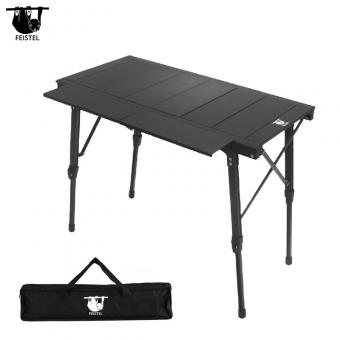
Бренд : ANHUI FEISTEL FACTORY Сопутствующее производство : OEM и ODM Изделие : Легкий, небольшой, складной стол для пикника, идеально подходящий для активного отдыха. Изготовлен из прочных материалов, портативен, прост в настройке.
Нил добро пожаловать на наш сайт!
узнать больше
Use this as a category-level decision aid, not a product-specific test ranking. Actual dimensions and ratings must be checked for each model.
|
Criterion |
Camping Cot |
Sleeping Pad |
|
Primary support |
Raised frame and fabric |
Air, foam or hybrid layer |
|
Thermal role |
May need separate bottom insulation |
Thermal resistance depends on tested construction |
|
Ground interface |
Localized feet or legs |
Broad surface contact |
|
Packed transport |
Frame affects size and mass |
Varies greatly by pad type |
|
Tent compatibility |
Check height and sloping walls |
Generally lower profile |
|
Combined use |
Can support compatible pad |
Can add cushion and insulation on cot |
At FEISTEL, we look at a camping cot and a sleeping pad as different components of an outdoor sleep system. A cot carries the user through a fabric platform and a structural frame; a pad provides body cushioning and, when designed and tested appropriately, resistance to heat transfer. Neither automatically supplies a complete weather shelter. We therefore begin the buying decision with the campsite, expected weather, body fit and carried equipment rather than declaring a universal winner.
Our experience as an outdoor-equipment supplier informs the questions we recommend asking, but this guide does not pretend that FEISTEL has completed a controlled laboratory comparison of every cot and pad. Published model specifications, engineering principles and independent standards are different types of evidence. We keep those categories separate so that purchasers can identify what is known, what depends on the user, and what must be confirmed for an exact model.
A camping cot is a portable elevated sleeping platform. Its legs, rails and joints transmit the sleeper’s load toward the ground while the sleeping surface supports the body between structural members. Designs vary from low folding platforms to taller arrangements with detachable pieces. We recommend examining usable sleeping dimensions rather than only the product’s outside dimensions, because frame rails and end attachments can reduce the space available to a tall or broad user.
A cot is not automatically an insulated mattress. Thin tensioned fabric can support weight while offering limited resistance to heat loss into air moving beneath it. The frame also occupies space inside a tent and concentrates ground contact at its feet. FEISTEL therefore recommends checking platform height, ground-contact stability, packing length, setup procedure, intended load and any required insulation accessories before a purchase.
A sleeping pad is a portable layer placed beneath the body on an appropriate surface. Some pads use inflatable air chambers; others combine foam and air in a self-inflating construction; closed-cell foam pads do not depend on an airtight chamber. Each structure produces a different balance of cushioning, thermal resistance, packed size, mass and field maintenance. We recommend deciding which attributes matter for the actual activity before comparing thickness claims.
A pad may feel supportive on a flat tent floor but behave differently when placed on a cot with a tensioned fabric bed. Dimensions, chamber orientation, inflation pressure and contact friction influence the combined arrangement. We avoid assuming that all pads are equally comfortable or equally insulated. Claims such as a precise R-value require relevant product-specific evidence, not merely a thick-looking photo.
The central distinction is how the body is supported. A cot uses a frame and raised surface. A pad relies on cushioning and insulation within a relatively thin portable layer. Elevation may help some users enter and leave a sleeping surface, while a low-profile pad may fit more easily under sloping tent walls. A useful comparison should separately evaluate body support, lower insulation, total packed volume and campsite restrictions.
Neither category is defined by one fixed weight, comfort score or temperature rating. A lightweight cot and a thick car-camping mattress can reverse common stereotypes about portability. Likewise, a cot-and-pad combination may be appropriate when extra insulation is needed. At FEISTEL, we present use-case decisions instead of assigning unsupported numerical scores or pretending that one anecdote applies to all campers.
A cot and a pad are not necessarily competitors. The cot creates an elevated platform, while a compatible pad can add cushioning and bottom insulation. This combination may suit vehicle camping or a stationary base camp, where carrying an additional item is acceptable. We recommend evaluating the assembled system, however: the pad should remain supported and appropriately positioned, and the user must have safe clearance inside the shelter.
The combination adds mass, storage volume, setup steps and potentially sleeping height. It does not increase the cot’s published load capacity and does not convert the pad’s own thermal test result into a certified rating for the entire assembled system. For OEM or wholesale projects, compatibility should be specified through dimensions, materials and appropriate verification instead of an unsupported “universal fit” label.
A cot can feel firmer because its sleeping surface is supported by tension and a structural frame. An inflatable pad can feel softer or more conforming depending on chamber design and inflation. Neither response is universal. We recommend evaluating the sleeper’s normal posture, length and width requirements, pressure at the shoulders and hips, and the ease of changing position. A short showroom trial can reveal problems but cannot automatically represent an entire night outdoors.
At FEISTEL, we do not convert outside reviewers’ personal preferences into FEISTEL customer statistics. Statements about better sleep quality, spinal health or pain relief require evidence appropriate to the claimed outcome. A responsible product article can still be persuasive by explaining dimensions, structure and the conditions in which certain design features may help.
Side sleeping can concentrate pressure at the shoulder and hip. A suitably sized air pad may allow those areas to settle into its cushioning layer, but a pad inflated excessively firmly can feel different from one adjusted within its intended range. A cot’s fabric deflection and frame-edge geometry also influence support. We recommend testing the actual configuration with natural side-sleeping positions and measuring usable width, not only exterior width.
Adding a pad to a cot may change the pressure experience, yet it must not create unstable overhanging edges. People who frequently bend their knees or move their arms may require more space than an apparently narrow product provides. There is no single cot fabric tension or pad thickness that guarantees comfort for every side sleeper.
Back sleepers may prefer the support of a tensioned cot surface or the cushioning of a pad. The cot fabric can deflect under the torso and pelvis; the pad’s internal structure supports those areas differently. We recommend examining how a particular person lies rather than treating the visual straightness of a product photo as proof of ideal posture. Body size and preferred firmness remain important.
Height can also affect the experience of getting into bed. A raised cot may make the transition convenient for some users, whereas a low ground pad may be easier to fit in a small shelter. We treat these as ergonomic considerations, not medical promises. If pain or mobility concerns are material, product choice may require individualized professional advice.
A relatively level pad can allow a familiar stomach-sleeping position, but its firmness, width and chamber layout still matter. A cot may offer a similar profile when fabric tension and frame geometry suit the user. We recommend checking whether rigid frame members limit arm movement and whether a pad lets the user turn without dropping off the supported area.
A person who changes positions often may prioritize usable width over nominal thickness or frame material. Any claim that one category is the “best for every sleep position” overstates what the design can establish. FEISTEL recommends making the purchase around normal overnight movement, not a posed promotional image.
One difference that can be measured clearly is sleeping height. A ground pad leaves the user near the floor, while a cot raises the platform. Some users find a sitting-height edge more convenient when standing up, but an excessively tall or unstable cot can create a different difficulty. We recommend measuring platform height under intended use and considering how fabric deflection changes the occupied position.
Any pad placed on a cot increases the body’s elevation above the frame surface. That change influences tent headroom and ease of entry. We do not recommend presenting ordinary cots as medical transfer aids without evidence. Appropriate user fit and stable ground remain essential.
External cot dimensions do not necessarily equal usable sleeping space. Side rails, end fittings and fabric sleeves can reduce the area in which the body rests comfortably. Pad dimensions may also differ between unloaded and inflated conditions. FEISTEL recommends reporting measurement points clearly and comparing actual shoulder, hip, head and foot clearance with the user’s normal posture.
A high load rating cannot substitute for adequate length or width. Likewise, an “XL” name is not an objective fit measurement. For custom projects, target user dimensions should guide development before selecting packaging or promotional language. Larger products may require more material and storage space, so fit and portability should be balanced.
Thickness affects the distance between a sleeper and the supporting surface, but it does not independently measure thermal insulation or comfort. Air chambers can distribute load differently according to their geometry and the inflation level. Some people prefer firmer support; others prefer more give. FEISTEL recommends using inflation settings within the manufacturer’s instructions and checking whether the sleeper bottoms out under concentrated loading.
A thick pad that is too narrow can still provide an unsatisfactory sleeping experience. An internal redesign may change pressure distribution, packed volume and thermal performance at the same nominal thickness. Therefore, we recommend comparing real construction rather than assuming a higher thickness number guarantees a better night.
R-value is a measure of thermal resistance under defined conditions. ASTM F3340 provides a standardized test method for camping mattress thermal resistance. Results obtained under suitable comparable procedures help describe the resistance of a pad to heat flow, but they are not guaranteed minimum sleeping temperatures. FEISTEL recommends stating the actual method and tested configuration when quoting an R-value.
A product’s appearance, foam thickness or brand category cannot replace a thermal test. The sleeper’s bag or quilt, ground temperature, clothing, moisture and posture affect the actual result. We do not copy R-values from unrelated pads or present general thermal science as a completed FEISTEL measurement. For a commercial claim, the report should correspond to the marketed pad version.
When a sleeper rests on a pad over cold ground, heat may move through the supporting layers. Pad construction provides resistance to this process. The relevant properties include internal structure, materials and the way the pad is compressed. We recommend assessing the complete insulation path rather than judging the pad by how warm its surface feels during a brief hand touch.
A pad with the same physical thickness as another may produce a different tested R-value if its construction differs. This is why a numerical thermal claim needs a suitable method and sample identity. At FEISTEL, we distinguish the science of conduction from verified performance of any specific product.
A cot removes direct body contact with the ground but may expose its fabric underside to moving air. The effect on warmth depends on temperature, air movement, shelter and the insulation beneath the sleeper. FEISTEL does not claim that elevation alone makes a cot warmer than an insulated pad. A bare tensioned fabric bed and a cot topped with a suitable insulating pad can perform very differently.
Wind-driven airflow, moisture and compressed sleeping-bag insulation can all influence the arrangement. The right comparison is between full sleeping systems used under realistic conditions. Neither a cot frame material nor a fabric-denier number establishes a temperature rating.
There is no single answer that applies to every cot and climate. In some mild situations a user may accept a cot surface with other bedding; in colder situations additional bottom insulation may be important. FEISTEL recommends assessing the expected overnight lows, wind, shelter and the person’s thermal needs before deciding that a bare cot is sufficient.
A warm sleeping bag does not automatically solve every underside insulation problem because insulation under body weight can be compressed. We avoid specific lowest-temperature guarantees that have not been validated on the complete system. Proper planning is more useful than relying on the phrase “off the cold ground.”
A compatible insulating pad on a cot may provide cushioning and help limit heat loss beneath the sleeper. The actual configuration still needs to fit the cot, stay positioned during movement and fit within the shelter. We recommend examining side exposure and the combined sleeping height, not only the pad’s advertised R-value.
In demanding weather, top insulation, condensation control and wind protection matter alongside the bottom layer. FEISTEL does not infer a whole-system temperature guarantee by adding unrelated product ratings. For a critical use, buyers should request configuration-specific evidence or test the intended arrangement under appropriately controlled conditions.
In warm weather, a cot’s open underside may permit air movement, but that does not guarantee a cooler sleeper. A tent with limited ventilation can still feel warm, and the fabric’s air permeability can affect contact comfort. Sleeping pads may create a different surface sensation depending on coatings, chambers, bedding and humidity. We recommend explaining likely trade-offs without inventing a measured FEISTEL cooling advantage.
Comfort may change considerably after sunset, so a setup selected for hot afternoons still needs to meet nighttime insulation requirements. The shelter, bedding and user should be considered together. A bare cot should not be described as an all-weather cooling solution.
Summer, wet autumn, exposed winter and shoulder-season camping create different demands. A pad with suitable thermal resistance can be part of cold-weather ground sleep, while a cot may need additional underside insulation. Cot height can also influence shelter compatibility, and snowy or unstable surfaces require safe support. FEISTEL recommends specifying expected environmental conditions rather than using “four-season” as a blanket assurance.
No ordinary cot or pad replaces a suitable shelter. Cold, wind, moisture and the user’s preparedness can be more consequential than whether the sleeping surface is raised. Claims about winter suitability should be backed by appropriate technical information and clearly defined conditions.
Backpackers often prioritize compactness, but comparing one bare cot with one pad can miss other required gear. A cot adds a structural frame; pads differ widely between foam, inflatable and self-inflating designs. We recommend counting included components, carrying cases, inflation equipment, repair items and the shelter needed for each setup. The correct decision balances sleeping function against realistic walking distance.
A long narrow cot package might fit a vehicle yet be awkward inside a hiking pack. A compact pad may fit more easily but still need inflation. At FEISTEL, we recommend listing product net weight and packed dimensions separately from shipping gross weight and export-carton dimensions, which answer different questions.
At a drive-up campground, an elevated cot can be appealing because the user need not carry it for many kilometers. A larger pad or a cot-and-pad combination may also be practical where shelter dimensions allow. We recommend confirming the tent footprint, vertical clearance, cot-foot contact and vehicle storage before selecting a comfort-focused setup.
A setup that feels excellent at a spacious car campsite may not suit a tight backpacking shelter. Similarly, a pad selected for low carried weight may offer less cushioning than a thicker stationary mattress. FEISTEL recommends describing the trade-off honestly, without naming an outside brand as the superior product.
A cot may fit within a tent’s nominal floor footprint yet collide with its sloping walls once elevated. The sleeper and any pad added above the cot occupy even more height. FEISTEL recommends evaluating interior width and length at the actual sleeping elevation, not solely at ground level. Access to entrances and equipment should remain clear.
A low pad generally needs less vertical clearance, although a thick air mattress still has height. Dimensioned diagrams that show the cot, pad, person and shelter wall are more useful than a broad claim that a cot “fits most tents.” Retailers should avoid compatibility promises without measurements.
A cot transfers load through distinct feet instead of distributing it over the broader area of a typical pad. On some tent floors, concentrated contact may matter. Foot shape, ground firmness, user load and flooring construction all affect the outcome. FEISTEL recommends checking cot-foot compatibility with the shelter and using only appropriate protection where needed.
A pad is not damage-proof either; sharp objects underneath can compromise an inflatable chamber. We recommend selecting established suitable campsites and avoiding unnecessary alteration of fragile terrain. No product can responsibly be advertised as safe for every tent floor or every rough surface without qualification.
A cot can separate the sleeper from small rocks or roots, but its feet still need stable, correctly supported positions. A pad needs an adequately suitable lying area and protection from sharp debris. We recommend evaluating the ground for the specific frame or pad rather than treating “elevated” as permission to sleep on an unstable slope.
The user should also respect local camping regulations and minimize vegetation disturbance. A thick pad may soften minor bumps without making any terrain appropriate; a cot may bypass some bumps while remaining vulnerable to uneven leg support. Both systems require sound site selection.
On soft sand or soil, narrow cot feet can sink or settle unevenly depending on load and contact geometry. A pad rests across a broader area but can collect sand around folds and valves. FEISTEL recommends evaluating both the ground and equipment interfaces before use. A cot’s seated or lying load rating does not certify that it will remain stable on every sandy surface.
Beach environments also introduce salt, moisture and wind. Materials and joints should be cleaned according to instructions, and shelters must match prevailing conditions. Neither elevated sleeping nor ground cushioning removes the need for safe weather planning.
An elevated cot may help keep the sleeping surface away from some ground dampness, but it does not protect the occupant from rain or flooding. A pad inside an appropriate shelter can also remain usable when the campsite is properly selected. FEISTEL recommends drainage-aware site choice and a suitable shelter rather than reliance on the height of a cot.
Condensation can occur even without direct rain, and wet fabric must be managed before storage. The terms water-resistant, waterproof and quick-drying should be supported when used as precise performance claims. A coating description is not proof that a whole sleep system will remain dry in every storm.
A foam pad may need little more than unfolding, while an inflatable pad requires inflation and a self-inflating pad may need time or additional air. A cot can open as a folding unit or require several separate support pieces. FEISTEL recommends showing the complete procedure, including unpacking, locking, positioning and return to storage, instead of quoting a setup time based on an edited clip.
Cot joints can create pinch points; pad valves and seams need suitable handling. Users should not force jammed hardware or exceed specified inflation guidance. A true time-to-set-up comparison would identify operators, starting conditions, exact components and a repeatable procedure; we do not invent such FEISTEL trial results.
Steel and aluminum offer different material characteristics, but complete structural performance depends on geometry, tube dimensions, joints and workmanship. Aluminum’s lower density can support weight reduction in an appropriately designed frame; steel may suit other construction priorities. FEISTEL recommends comparing the finished assembly rather than saying every steel cot is stronger or every aluminum cot is lighter in practice.
Coatings and maintenance affect outdoor durability. A tube alloy certificate cannot by itself verify the strength of the sleeping platform, and the metal frame alone does not describe fabric or connection performance. OEM changes to span or tubing should be reviewed before carrying over an earlier load claim.
Cot sleeping surfaces may use woven textiles and other constructions. Polyester describes a fiber family, Oxford describes a type of weave, and mesh describes an open structure. Denier measures yarn linear density; “600D” is not a test result for assembled cot load capacity, waterproofing or lifetime. FEISTEL recommends relating fabric specifications to actual seam construction, tension and frame attachments.
Fabric airflow can influence contact sensation, but cannot establish a fixed cooling benefit. Abrasion and tear properties should be evaluated with appropriate methods where they are marketed quantitatively. Material labels provide useful context, not complete certification of product performance.
Folding joints connect the need for compact transport with the need for stable support during sleep. Hubs, hinges, rail connections and fabric sleeves all participate in the load path. FEISTEL recommends checking that each component reaches its intended operating position and that the user can recognize improper engagement or visible damage.
A smooth first setup does not demonstrate indefinite fatigue life. For B2B products, repeated-folding or loading requirements should specify cycles, sample conditions and acceptance criteria. We discuss these as recommended verification practices, not as tests already completed for every FEISTEL cot.
A published cot load capacity should be interpreted within the intended conditions. A sleeper lying centrally, a user sitting at one edge and someone dropping onto the platform can create different loading patterns. FEISTEL recommends defining the rating basis and avoiding the assumption that a static capacity proves unrestricted impact resistance.
Ground support also influences stability. One foot resting on a loose stone may change force distribution even if the total occupant mass is within the rating. For wholesale claims, the applicable test and exact model should be documented. Capacity is distinct from usable width, user comfort and the suitability of the campsite.
A cot can face stationary, changing and repeated loads over its service life. These represent different engineering questions. A static load check does not by itself demonstrate the effects of repeated entry, exit, turning or impacts. FEISTEL recommends defining relevant evaluation conditions before making claims such as heavy-duty or extra-durable.
Fatigue outcomes depend on materials, geometry, joints and use. We do not invent numbers for load cycles, failure forces or customer-return rates. If a buyer requires such information, it should come from real model-specific records with traceable conditions.
Inflatable pads depend on airtight outer materials, seams and valves. A pad may appear firm at setup yet lose pressure through a defect or changing conditions. We recommend inspecting the exact pad before long trips and using compatible repair instructions for minor damage where appropriate. A repair kit does not guarantee that every valve or seam failure can be corrected in the field.
Closed-cell foam and self-inflating designs have different maintenance considerations. A pad’s ability to hold air is separate from its tested thermal resistance. FEISTEL recommends documenting both functions where they materially affect the purchasing decision instead of treating one “quality” label as proof of everything.
Noise can come from cot joints, fabric rubbing on rails or sleeping-pad surfaces moving against bedding. The amount depends on actual construction and how a sleeper turns. FEISTEL recommends treating acoustic comfort as a product-specific observation rather than claiming all cots creak or all pads are silent.
Unusual sounds accompanied by looseness or visible damage may warrant inspection. Marketing a “silent” cot or pad as a measured characteristic would need a defined method and supporting data. Personal sensitivity to sound is another reason one reviewer’s preference should not become a universal fact.
Cot durability depends on structural members, fabric attachments, hinges, coatings and usage. Pad durability involves surface material, internal construction and, for inflatable products, valves and seam integrity. Neither product category has a universal lifespan. FEISTEL recommends discussing the expected use frequency and environment rather than claiming an arbitrary number of years from a fabric label or tube alloy.
Different evaluations address different failure modes. An abrasion test does not certify cot-frame fatigue; an airtightness test does not establish pad R-value. When a buyer needs quantified durability, the applicable test criteria and exact product version should be documented.
After camping, remove dirt and sand, inspect critical joints or valves and dry appropriate components before storage. Cots may collect grit in hinges and feet; pads may collect debris near folds or valves. Materials and coatings require product-specific care, so FEISTEL recommends following the relevant instructions rather than applying harsh cleaners indiscriminately.
Improper compression, trapped moisture or forced folding may affect performance over time. The storage recommendations for foam, self-inflating and air pads may differ. No maintenance routine can guarantee an indefinite lifespan, but correct handling can help avoid preventable damage.
A family may include users who need different lengths, widths, insulation and access heights. Several cots can occupy substantial tent volume, while pads occupy a lower profile on the floor. We recommend sketching the actual shelter layout before choosing a shared arrangement, including paths to exits and space for overnight movement.
A double label or large published capacity does not automatically establish comfortable space for two adults. Similarly, adult camping furniture is not necessarily appropriate for young children. FEISTEL recommends following intended-use and age guidance, with adequate supervision where required.
Some people find a raised sleeping surface easier to access than a pad on the ground, but individual balance, strength and height matter. An overly tall cot may leave the feet unsupported when sitting at its edge, while a fabric surface may deflect under load. FEISTEL recommends checking realistic entry and exit rather than assuming elevation automatically improves accessibility.
Neither a recreational cot nor a pad should be advertised as treatment for back pain or as a medical mobility product without supporting evidence. Where medical considerations affect sleep equipment choice, suitable professional guidance may be necessary.
Two independent cots provide separate elevated platforms but consume floor space and can leave a gap between users. A broad pad or coordinated pair of pads may create a different shared arrangement. Neither is inherently preferable. FEISTEL recommends considering movement independence, usable width, tent size and the actual load basis of any shared cot.
For cold conditions, both occupants need appropriate insulation. A product described as two-person is not automatically comfortable for two adults overnight. Accurate dimensions and evidence are preferable to marketing assumptions about couple-friendly comfort.
Vehicle-supported trips can accommodate a larger cot or thick pad, but compartment dimensions and repeated setup still matter. A cot may be attractive in a roomy shelter; a low pad may be easier inside a vehicle or under low overhead structures. FEISTEL recommends evaluating the actual interior, occupied height and how the equipment will be stored when not in use.
Longer stays also increase the importance of cleaning, movement and durability. A cot may create under-platform space, but objects should not interfere with supports or load the frame in unintended ways. A pad may need periodic inflation checks. The best choice serves the entire stay, not simply the first night.
Cots and pads can be relevant to temporary sleeping arrangements, but emergency procurement may involve distinct hygiene, access, storage and regulatory requirements. FEISTEL recommends defining the population and actual use case before choosing recreational equipment. A cot made for camping is not automatically approved for medical or institutional care, and an ordinary pad is not automatically clinical bedding.
Commercial buyers should define cleaning methods, intended loads, dimensions and applicable documentation explicitly. No third-party emergency-use anecdote is transformed into a FEISTEL hospital or relief-project case study without authentic evidence and authorization.
For cots, inspection can include tube condition, connections, fabric attachments, dimensions, folding action and correct parts. For pads, different priorities include valve function, airtightness, surface integrity, dimensions and thermal evidence when claimed. FEISTEL recommends linking an approved sample with a written inspection plan so that production matches the intended configuration.
Visual inspection does not replace relevant functional testing. A fabric certificate is not a cot load test; a valve leak test is not a sleeping-pad thermal test. When publishing numeric claims, the method, sample identity, criteria and report date should be traceable.
A fair evaluation begins with a defined question. To compare carried weight, include all equipment needed for comparable shelter and insulation. To compare comfort, identify participants, body dimensions, sleep positions, duration and the evaluation procedure. To compare thermal performance, use methods that measure the relevant quantity. FEISTEL discusses these as appropriate study-design practices, not as a completed factory experiment.
A small informal trial may identify design issues but should not support a universal conclusion. If we present a future field test, its exact model, conditions and results must be documented. We do not invent laboratory graphs, participant counts, failure rates or verified comfort percentages.
Cot customization should begin with the target user, bed dimensions, required capacity, frame structure, fabric construction, packed size and destination-market expectations. Altering span, tubing, attachment points or folding mechanisms can change structural behavior. FEISTEL recommends technical review and sample approval before treating a modified design as equivalent to an existing version.
Colors, logos and packaging are different from load-bearing changes. Specific customization availability, MOQ, lead time and validation scope depend on the agreed project. We avoid presenting hypothetical orders or assumed factory production statistics as FEISTEL history.
Pad development involves body-support dimensions, internal construction, valve selection, fabric, packed format and intended insulation claims. A new air-chamber layout may affect firmness and weight; a different insulating layer may change thermal resistance. FEISTEL recommends matching test evidence to the actual marketed configuration instead of carrying over values from a visually similar pad.
Approved samples, dimension tolerances, material specifications and packaging requirements should be recorded. Any precise R-value, waterproofing or airtightness claim should have a suitable and current basis. This helps an importer understand which features are established and which need new development.
Importers should separate net product weight, folded dimensions, retail package and export carton measurements. Each affects logistics or consumer expectations differently. The approved configuration should list every frame component, carrying bag, valve accessory or other supplied item. FEISTEL recommends confirming model-specific reports and labeling requirements before volume orders.
A low headline price is not a substitute for verified compatibility, a usable sleeping area or clear quality criteria. For combination packages, a cot and pad should be checked together rather than advertised as universally compatible. Commercial claims should reflect what the buyer will actually receive.
We avoid several common shortcuts: “off the ground means warmer,” “thicker means higher R-value,” “steel always means stronger,” and “a higher capacity means a wider bed.” Each statement confuses separate properties. We also avoid treating a one-night reviewer story as a representative comfort study or copying third-party product specifications into FEISTEL marketing.
A careful guide distinguishes measured specifications from user preference, and an individual pad test from a cot-and-pad system claim. FEISTEL recommends stating the real constraints—ground, shelter, body fit, warmth and carrying capacity—because trustworthy limits improve a buying decision.
Is a cot always warmer than a pad? No; underside airflow and pad thermal resistance matter. Can you put a pad on a cot? Often, when dimensions and stability are suitable. Does a cot fit every tent? No; elevated height and sloping walls can limit clearance. Is a high cot capacity proof of impact resistance? No. Does FEISTEL publish product-specific R-values without evidence? We recommend verified tests rather than estimates.
Which is better for backpacking? Compare the complete carried setup; a compact pad often suits weight-conscious trips. Which suits vehicle camping? Either may work depending on space and preference. Are cots appropriate as medical beds? A recreational cot should not be treated as medical furniture without relevant design and evidence. The correct purchase depends on the actual person, campsite and conditions.
At FEISTEL, we recommend a suitable sleeping pad when compact transport, a low-profile arrangement and verified bottom insulation are primary priorities. A cot can be attractive where an elevated platform, adequate shelter clearance and suitable ground supports match the user’s preferences. A compatible cot-and-pad combination may be useful when added cushioning and insulation justify the extra equipment. There is no responsible universal winner.
For consumers, check fit, weather, packing and safe use. For wholesale buyers, confirm model-specific specifications, appropriate test records and the exact supplied configuration. We use our manufacturing perspective to explain decisions and limitations, not to invent laboratory findings or customer testimonials. Choose the complete outdoor sleep system that is actually right for the journey.
These resources are provided for technical context and FEISTEL company-category navigation, not as endorsements of any third-party product. ASTM F3340 is a relevant camping mattress thermal-resistance methodology; it is not evidence that every FEISTEL pad has a particular R-value. Under the product-recommendation restriction for this article, no cot, pad or third-party product model is recommended.
категории
новый блог
Бренд : ANHUI FEISTEL FACTORY Сопутствующее производство : OEM и ODM Изделие : Легкий, небольшой, складной стол для пикника, идеально подходящий для активного отдыха. Изготовлен из прочных материалов, портативен, прост в настройке.
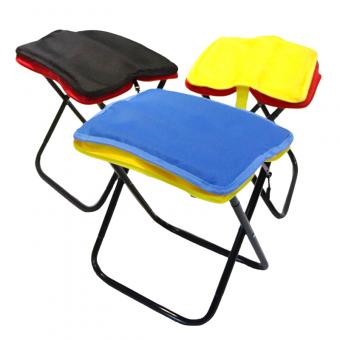
Бренд : ФАБРИКА АНЬХОЙ ФАЙСТЕЛ Связанное производство : OEM и ODM-производители Продукт : Изготовленный на заказ легкий складной стул-луноход из металлического железа обеспечивает надежную поддержку и комфорт, идеально подходит для кемпинга на открытом воздухе, а его компактная, портативная конструкция удобна для транспортировки и хранения.
Бренд : ANHUI FEISTEL FACTORY Сопутствующее производство : OEM и ODM Продукт : Портативный складной складной столик для пикника на открытом воздухе: легкий, прочный алюминиевый дизайн с регулируемой высотой, простой установкой и компактной сумкой для переноски для кемпинга, пикников и активного отдыха.
Бренд : ANHUI FEISTEL FACTORY Сопутствующее производство : OEM и ODM Продукт : Универсальный портативный походный стол для барбекю IGT с регулируемыми по высоте ножками. Идеально подходит для приготовления пищи на открытом воздухе, кемпинга и пикников. Легкий и складной для удобства транспортировки.
Бренд : ANHUI FEISTEL FACTORY Сопутствующее производство : OEM и ODM Изделие : Компактный и легкий складной алюминиевый стол, идеально подходящий для кемпинга, пляжа или активного отдыха. Легко носить с собой, прочный и идеально подходит для хранения еды и напитков.
Бренд : ФАБРИКА АНЬХОЙ ФАЙСТЕЛ Связанное производство : OEM и ODM-производители Продукт : Этот складной деревянный шезлонг для кемпинга отличается прочной рамой, эргономичной откидывающейся спинкой и компактной складной конструкцией — идеально подходит для отдыха на пляже, в кемпинге или на заднем дворе.
Бренд : ФАБРИКА АНЬХОЙ ФАЙСТЕЛ Связанное производство : OEM и ODM-производители Продукт : Этот складной стул для кемпинга с алюминиевой рамой имеет регулируемую спинку, легкую, но прочную конструкцию, обеспечивающую портативный комфорт во время кемпинга, поездок на пляж, пикников и отдыха на свежем воздухе.
Бренд : Фабрика Анхуи Фейстель Связанное производство : OEM и ODM Продукт : Этот мини-стул для походов и путешествий сочетает в себе прочную складную конструкцию из ткани Оксфорд и оригинальный карман для пенала, обеспечивая портативность, комфорт и практичность для кемпинга и приключений на природе.
Бренд : ФАБРИКА АНЬХОЙ ФАЙСТЕЛ Связанное производство : OEM и ODM-производители Продукт : Оптовый спальный матрас для путешествий от компании «Triple Equipment» представляет собой складную походную раскладушку с регулируемой высотой, обеспечивающую надежную поддержку, удобство переноски и комфортный отдых во время приключений на свежем воздухе.
Бренд : ANHUI FEISTEL FACTORY Сопутствующее производство : OEM и ODM Продукт : Сверхлегкая одиночная компактная портативная складная походная кровать, идеально подходящая для пеших прогулок, с прочным каркасом, простой установкой и удобной сумкой для переноски в путешествиях.
ДАВАЙТЕ ОСТАВАТЬСЯ НА СВЯЗИ :