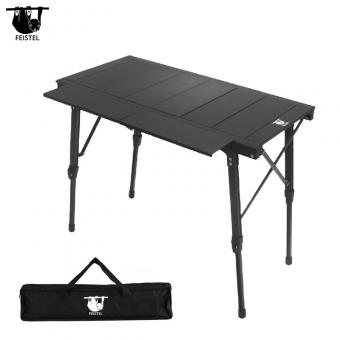
Бренд : ANHUI FEISTEL FACTORY Сопутствующее производство : OEM и ODM Изделие : Легкий, небольшой, складной стол для пикника, идеально подходящий для активного отдыха. Изготовлен из прочных материалов, портативен, прост в настройке.
Нил добро пожаловать на наш сайт!
узнать большеAt FEISTEL, we manufacture and supply outdoor camping equipment. This guide explains how to evaluate enclosed hammock systems, with selected product examples from our hammock collection. We separate verified product-page specifications from design interpretations and matters that require model-specific testing.
A camping hammock with a mosquito net is best understood as a suspended sleep system with an insect barrier, not a miniature tent that automatically provides every kind of protection. Its value depends on five separate questions: whether the mesh closes around the occupied bed, whether there is enough space to lie comfortably, whether the complete suspension is suitable for the campsite, whether rain protection is included, and how the sleeper will stay warm underneath. A zipper gap can undermine excellent mesh; a well-sealed net cannot keep out rain; and a wide bed can still feel uncomfortable when hung incorrectly. For FEISTEL customers, our advice is to establish the camping environment first and then select a corresponding configuration. This guide compares usable designs and explains the questions that matter before an individual or wholesale order is placed. It is a product-selection guide, not an independently tested ranking of all hammocks sold worldwide.
A mesh canopy puts a physical barrier between the sleeper and many flying insects. That distinction becomes valuable when a pleasant afternoon turns into an evening with mosquitoes around the campsite. Unlike a conventional open hammock, a fully enclosed net design allows someone to stay on the suspended bed without leaving the sleeping area exposed to the same degree. The benefit, however, depends on installation and closure. If the zipper is left open, the mesh is torn, or an end opening remains exposed, insects may enter. A second issue is contact through the underside of the fabric, which a top canopy alone may not address. At FEISTEL we prefer to explain those limitations alongside the benefits. A net hammock can be an excellent comfort improvement, but the promise should be a correctly configured barrier, not absolute protection against all bites or disease.
There is no universal winner without specifying the trip. A hiker carrying a pack for three days may put system weight and packed dimensions ahead of lounging width. Someone staying near a vehicle may gladly trade a little carrying mass for a roomier interior. Another camper may be particularly concerned about small biting insects and choose a finer mesh even if it reduces ventilation slightly. A retailer may require easily replaceable accessories and clear assembly instructions because new customers often make setup mistakes. These are legitimate but different reasons for calling a product the best. We recommend comparing each hammock against a use case rather than declaring that one low price, one large capacity claim or one impressive photograph settles the question. Dimensions, components, protection, and the suitability of the actual anchors tell a more reliable story.
The category includes integrated-net hammocks, removable-net designs, completely separate bug-net sleeves, raised tunnel-style enclosures, and hammock sets paired with tarps. An integrated system keeps the net associated with the bed and can simplify remembering equipment. A removable design provides more flexibility during insect-free conditions, although the attachment method must be checked. A separate enclosure may fit an existing hammock if it has adequate length, width and suspension clearance. Raised canopies use lines or structural elements to move mesh away from the occupant, but the supporting elements may require extra setup. No style is automatically safer or more comfortable. The buyer should inspect how the structure closes at the ends, how the user enters, and what happens when the bed deflects under load. At FEISTEL, we treat these as distinct product-development categories rather than interchangeable marketing descriptions.
An integrated mosquito net reduces the risk that the user forgets a separate sleeve at home. It may also offer a tidy packed arrangement, although this depends on construction. The disadvantage is that a damaged permanent net can affect the usefulness of the entire product, and the canopy may remain present when insects are absent. A separate bug net can serve an existing hammock, be swapped out, or be stored separately; it also requires a compatible fit and careful closure around the bed. The right choice follows the travel pattern. Occasional recreational campers may value a reversible or removable design, while an overnight route in a mosquito-heavy region may reward a straightforward fully enclosed arrangement. We would not claim that one type universally blocks more insects. The actual mesh, openings, wear and assembly determine the quality of the barrier.
A canopy can look convincing in photographs while leaving a small pathway at the zipper terminus or suspension end. The opening is particularly important because a sleeper may close the zip in the dark, pull fabric while changing position, or accidentally catch the mesh in the slider. At FEISTEL we suggest checking the full closure while the hammock is occupied, not just when it hangs empty. Inspect zipper movement, end finishes, connection points, stitching and any folds that are meant to overlap. The user should be able to reach the closure without excessive stretching or forcing the slider. A robust zipper system also needs to remain practical after the fabric has experienced ordinary packing and unpacking. Treat words such as “insect-proof” as claims requiring an appropriately defined test, rather than as a substitute for inspecting how the enclosure actually works.
Mosquitoes are not the only insects relevant to an outdoor sleep system. In some regions, small biting midges or similar insects make mesh opening dimensions important. However, simplified claims based solely on “holes per square inch” are insufficient. Mesh performance depends on actual aperture geometry, filament diameter, yarn movement, finished construction and the species of insect being addressed. Suppliers sometimes quote a hole count without identifying units or the measurement method, making two products difficult to compare. We recommend requesting a mesh specification and confirming whether it applies to the finished fabric rather than assuming that a marketing number establishes protection. There is also a comfort trade-off: denser constructions can influence air movement and visibility. The goal is suitable exclusion with acceptable ventilation for the intended conditions, not simply the largest number on the packaging.
A net over the sleeper's head and shoulders does not necessarily prevent contact through the bed fabric. Under some conditions, a mosquito can reach skin pressed tightly against a sufficiently thin or open textile. Whether a bite occurs depends on fabric construction, clothing, body position and insect behavior. This issue should not be simplified into a universal statement that every nylon hammock permits bites or that every double-layer hammock blocks them. A sleeping pad or compatible underquilt may change the arrangement, but insulation accessories are not automatically certified insect barriers. At FEISTEL we advise buyers concerned about underside exposure to review fabric construction and coverage as a separate product question. Practical bite prevention can involve a combination of properly fitted physical barriers and other location-appropriate measures, rather than placing unrealistic expectations on the top mesh alone.
The phrase double layer refers to the bed structure, not the width or occupant count. Two fabric layers may change how the sleeper's skin contacts the outer surface, and some designs provide a compartment for a pad. But a second layer is not a guaranteed insect-exclusion certification. The effective gap, construction, seams and occupied shape matter, while insects can still enter through an open net door. There is also a cost in mass, drying time and material usage. We recommend choosing a double-layer product because the engineering design addresses a defined requirement, such as compatible pad placement, rather than assuming a simple increase in layers solves every insect problem. A useful product page should state both the bed size and the number of fabric layers plainly so buyers do not confuse these independent categories.
A single hammock can suit someone who values a smaller packed bed and a simple one-person sleeping arrangement. A double model typically offers greater width, often appreciated by solo sleepers who want more diagonal freedom or by two people sharing the hammock briefly where the instructions allow it. Neither name guarantees comfort for every body size. Two adults sleeping together through the night may experience movement, crowding and changing insulation coverage even when a double-width model allows shared use. We encourage customers to compare the actual bed measurements, not only the words single and double. For an overnight trip, it may be more practical for two sleepers to use separate approved systems. The best size is the size that supports the expected body position without creating unnecessary weight or excessive fabric around the face.
Fabric width is easy to visualize, but length can play an equally important role in the occupied shape of a gathered-end hammock. A wide but short bed may still bring concentrated fabric tension around the shoulders or legs, especially for taller campers. A longer bed can offer more room to experiment with a diagonal lay, but the complete suspension and campsite spacing must support that length. We avoid claiming a fixed measurement is ideal for everyone because body proportions, fabric stretch and suspension design vary. It is useful to compare open bed dimensions with the user's height and intended position, and to understand whether a quoted length includes the fabric alone or also ropes. When developing a wholesale range, clearly defining measurement points helps keep samples and product pages consistent.
Many people new to hammocks lie along the deepest centerline and then conclude that all suspended beds force a pronounced curve. In a gathered-end design, shifting diagonally can often change support under the body and create a more relaxed posture. The amount of available diagonal room depends on bed dimensions, fabric behavior, sag and user height. A mosquito net should allow that position without pulling tightly across the face or restricting entry. This is one reason we recommend trying the system with the canopy attached: an open hammock may feel roomy, but the same bed can feel narrower when the net is poorly supported. The goal is not to guarantee perfectly flat sleep. It is to create an arrangement that lets the intended sleeper find a comfortable posture while preserving the insect barrier.
A mosquito net that hangs very close to the nose or forehead may feel confined and may contact the sleeper during movement. The solution is not necessarily an enormous canopy. A properly positioned support line, hoop or suitable end construction can improve usable clearance without excessively enlarging the package. For a product sample, we would examine the space around the face with the hammock occupied, including when the sleeper rolls slightly or raises an arm to operate the zipper. The net should not require a body-weight-bearing line to hold it up. Supporting the mesh and supporting the person are different structural duties. For customers who dislike enclosed spaces, photographs of the occupied interior and a clear demonstration of the entry opening can be more persuasive than vague promises of a “spacious design.”
Mesh is useful because it can create a physical insect barrier while allowing some air exchange, but not every net has identical airflow. Thread thickness, aperture, shape and the way an overlying tarp is pitched all influence the environment around the sleeper. Humid nights may make a closely suspended canopy feel warmer or less airy than expected. In contrast, wind through an exposed hammock can increase underside heat loss even in relatively mild conditions. These are separate concerns: ventilation near the face and warmth beneath the body. We encourage buyers to consider airflow alongside weather protection, not as proof that a particular mesh fabric guarantees a cool temperature. An integrated net should be evaluated with the tarp in the configuration most likely to be used, because a low rain pitch can materially change ventilation.
The terms mosquito net, rainfly and hammock tarp identify different components. Mesh is intended to restrict insect access; a rainfly is arranged to deflect precipitation when properly pitched. A mosquito-net hammock without a tarp remains exposed to rain and dripping branches. Conversely, a tarp without a bug barrier may keep the sleeper relatively dry while leaving entry points for insects. Some FEISTEL product pages describe complete configurations with both features, but the included components must be checked for each model and order revision. We recommend keeping the package list explicit so customers do not assume “camping hammock with net” means a storm-ready shelter. Weather protection also depends on tarp dimensions, setup angle, seam treatment, wind direction and anchoring. Those claims should be verified independently from the mesh construction.
Tarp coverage should extend beyond the occupied hammock ends in the intended weather exposure and give the user a sensible sheltered route in and out. A minimalist tarp may reduce mass but leave less tolerance for wind-driven rain. A larger tarp can create a protected working area for shoes and equipment, though it adds stakes, lines and setup steps. We suggest checking whether the tarp fits the actual suspended bed, rather than buying only by nominal tarp length. The ridgeline can be oriented and tensioned according to the tarp design and product instructions. In rain, look for potential runoff toward suspension hardware and the hammock ends. A waterproof coating label is useful only when paired with appropriate seam and construction information. No tarp shape can guarantee dryness under every storm condition.
A camper can be well protected from flying insects yet wake because cool air moves beneath the bed. Sleeping-bag insulation compressed between the body and the hammock loses loft, making underbody protection important. A compatible underquilt hangs beneath the bed and can help preserve insulating loft. A sleeping pad placed inside the hammock or in a suitable layer compartment provides another approach, although pads may shift and can be uncomfortable if badly fitted. Neither is universally superior. The correct choice depends on temperatures, wind, existing equipment and hammock design. At FEISTEL we consider insulation compatibility an essential part of overnight-product descriptions even when the main search term is mosquito net hammock. A net is an insect barrier, not a thermal rating, and an extra fabric layer alone should not be marketed as winter insulation.
A bare hammock may look exceptionally lightweight on a specification sheet, but an overnight setup may include straps, connectors, net support lines, tarp, stakes, guy lines, insulation and a carry bag. Comparing an unbundled fabric bed with a complete shelter bundle tells the customer very little about how heavy the trip will feel. We recommend publishing several clear measurements where possible: the hammock body, the supplied package and the complete intended sleep system. Packed shape matters too. A slightly heavier system can still be easy to carry when the equipment fits the available pack space, while a poorly packed accessory can be a nuisance on a long route. A weight figure should identify the configuration it represents. Without that context, the word ultralight is mostly a marketing adjective.
Small packed dimensions are appealing, especially when a traveler also carries food, clothing, water and rain protection. But the packed product has to work after real use, not only in factory photography. Fine mesh can snag in a crowded stuff sack, and wet nylon or polyester should not remain sealed indefinitely without appropriate drying. Consider whether the package allows the user to keep damp straps away from a relatively dry net, and whether the bag opening is convenient when packing in fading light. On multi-day routes, repeatable setup and packing can matter as much as an impressive minimum volume. We advise backpackers to practice assembling and folding the full set at home before relying on it for an overnight journey. For retailers, instructions and actual packed accessories are part of honest product specifications.
The insect barrier may be the reason someone chooses this product, but the suspended bed remains load-bearing equipment. Choose permitted, suitable anchor points and follow the specific product's suspension instructions. Inspect trees for obvious deterioration, damage or unsafe overhead conditions; do not attach to unverified fencing, railings or fragile branches. Wide webbing may distribute contact forces over more bark area than a thin cord under comparable loading, but it does not make every tree suitable. The straps, carabiners, loops, fabric ends and anchors all form part of the load path. A support cord used only to elevate mosquito mesh must never be mistaken for a rated human-support suspension. We recommend setting the bed at a manageable height and testing the arrangement cautiously before fully occupying it, while following local land-manager rules.
A suspension angle around thirty degrees from horizontal is commonly used as a starting reference for some gathered-end hammock setups. It is not a universal requirement for every hammock, nor does the angle by itself establish that the system is safe. A flatter, tighter suspension can increase forces in the lines for the same occupant weight. However, the exact loads also depend on geometry, dynamic movement and how the complete system is assembled. An integrated mosquito net may have its own dedicated support line, but that line should not change the rated suspension setup unless the design explicitly allows it. Campers should follow the approved instructions rather than forcing a visual angle from an internet photograph. In product manuals, explaining the difference between bed suspension and net support is more useful than providing one angle without context.
Start by checking the campsite and unpacking all accessories onto a clean surface. Identify the hammock body, load-bearing straps or ropes, connectors, net supports and any tarp components. Select appropriate anchors and install the suspension in the manner specified for the model. Hang the empty hammock low and inspect its ends, connectors and adjustment points. Attach or raise the net using its designated support arrangement, taking care not to use lightweight mesh-support cord as body suspension. If a tarp is included, pitch it according to its own instructions with adequate coverage and access. Enter carefully, check the bed clearance, then close the net and look for gaps or strained mesh while occupied. Finally, check whether the zipper can be opened promptly from inside. Exact assembly order varies by configuration; this is a generic sequence, not a replacement for the model manual.
An unoccupied canopy can be almost perfectly tensioned while appearing very different once a body pulls the bed downward. The edges may move, the zipper may bend and the occupant may end up touching the mesh. Once inside, gently check the enclosure around the ends, shoulders and entry. Look for fabric pulled into the zipper, corners that do not fully close and places where the mesh is pressed against bare skin. Be mindful of the line holding up the net: it should support the canopy without becoming an improvised handhold or a substitute for the hammock suspension. Keep footwear and sharp accessories away from delicate netting. A short trial at home can reveal these issues before a trip. We regard this occupied-fit check as one of the simplest ways to prevent disappointment with an otherwise well-designed hammock.
A sagging canopy may result from a support line that is too loose, a poor attachment point, a bed hung differently from the recommended setup or a mesh geometry poorly matched to the user's position. Identify which support arrangement the manufacturer intended before adjusting anything. Tightening an unsuitable line can put stress on seams or distort the entrance rather than improve comfort. Check whether the occupant is centered, whether the bed hangs as intended, and whether any included poles or overhead loops are installed correctly. If the design simply offers too little face clearance for the user, a different canopy shape may be preferable. We would not recommend an arbitrary knot or hardware substitution that has not been approved for that SKU. A practical troubleshooting guide should teach users to diagnose the mechanism rather than pull every line tighter.
First verify that the entry is fully closed. Then inspect end openings, zipper tracks, mesh tears and places where suspension components pass through the enclosure. Small insects may be trapped inside before the zipper closes, so check the interior before settling down. Notice whether your skin touches fabric that insects can access from outside and whether the particular mesh is suitable for the local biting insects. A successful inspection does not guarantee that no bite will occur. It does help identify a correctable source of exposure. We recommend resisting the temptation to declare the hammock defective before checking setup, though damage or inadequate construction should be addressed promptly. For persistent insect problems, use appropriate locally recommended bite-prevention measures in addition to the physical net. The hammock is only one part of personal protection outdoors.
Fine mesh can be caught accidentally when a zip is operated too quickly, particularly in low light or while the sleeper is reaching around a curved bed. Do not force the slider. Reduce tension carefully, release trapped fabric and inspect whether any threads have been damaged. If the zipper repeatedly snags in the same location, the problem may involve fabric allowance, stitching, slider alignment or the overall shape under load. That observation can be valuable to a manufacturer because it identifies a repeatable failure mode. For wholesale sampling, we suggest testing the enclosure both empty and occupied, with users opening and closing it from their natural sleeping positions. The aim is not to claim that every FEISTEL zipper has passed an unpublished cycle test. It is to define a useful acceptance procedure for a particular design.
The net is often the lightest, most delicate visible component of the whole setup. A belt clip, key ring, fishing hook, exposed carabiner edge or stick can puncture the mesh. Keep sharp objects away from the canopy during setup and pack metal hardware so it does not rub against the net in transit. If a tarp is being installed above the hammock, route guylines so they do not create unexpected snag points near the entrance. The fabric bed and its reinforced ends may have very different strength requirements from a thin mosquito barrier. We favor explaining these different functions in care instructions. “Tear-resistant hammock” should never be interpreted as a promise that the mosquito mesh can resist the same loads or abrasion as the load-bearing bed fabric.
A wet net can hold droplets and debris, while damp straps may carry grit into the storage bag. Shake out loose dirt where appropriate, follow the product's cleaning instructions, and dry the hammock and accessories before prolonged storage. Avoid high heat or cleaning chemicals unless the textile specification explicitly permits them. Folding carefully can help keep the net from being twisted around hardware. On a multi-day route, temporary damp packing may be unavoidable, but it is sensible to air the equipment when conditions allow. A net attached permanently to a bed may need particular attention around stitched edges where moisture is harder to notice. We do not promise a fixed lifetime based on a simple maintenance routine; outdoor exposure, usage frequency and the quality of each component vary too widely for that.
The hammock bed and the mosquito canopy perform different jobs, so they need not use the same textile. Nylon is common in portable hammock bodies, while synthetic mesh textiles can be selected for a combination of aperture geometry, low mass, handling and drying performance. Material names alone do not provide abrasion resistance, seam performance, UV aging or tear strength. A fabric advertised as 210T identifies a thread-count-style descriptor rather than a finished-product load rating. Denier, when specified, describes yarn linear density rather than the total strength of a sewn assembly. We recommend describing the bed textile, mesh textile, coating and hardware separately. For OEM work, this helps buyers compare proposed substitutions and prevents a supplier from treating “polyester mesh” or “parachute nylon” as a complete technical specification.
Our Mosquito Net Hammock for Travel, Backpacking and Hiking is listed with a 260 × 140 cm bed, a 210T nylon hammock body and polyester mesh. Its page describes a packaged accessory arrangement and a carry bag. Those details make it a relevant example for customers looking at a single-size portable bed with insect coverage. However, a listed maximum load is not the same as an independently verified test result presented in this article, and a listed size does not guarantee comfort for every adult. Buyers should verify the current SKU specification, exact included components and its assembly instructions before using it as a complete overnight arrangement. Our role in a selection guide is to show what a documented configuration offers and where additional questions remain, not to infer properties that the product page does not establish.
Our 300 × 200 cm Double-Person Mosquito-Net Hammock illustrates a different size category. The published open dimensions indicate substantially more fabric width than a typical compact single bed, and its integrated netting is positioned for protected lounging or camping. A wider bed may appeal to a solo camper who enjoys diagonal positioning and extra room, but that does not establish that two adults can sleep without disturbing each other through the night. We encourage buyers to distinguish the model's advertised double designation from any assumption of double-layer bed construction. Exact hardware, loading information and whether additional shelter accessories are included should be confirmed for the current production configuration. The important distinction is usable space and net design, not a claim that larger dimensions automatically produce better sleep.
Our Portable 300 × 200 cm Mosquito-Net Hammock is described on its current product page as a 210T nylon double-size bed with an integrated raised mesh canopy, two straps, two carabiners and a carry bag. The page also states a total 300 kg load rating. We present that value only as the manufacturer's listed capacity for the specific configuration, not as an independently verified performance claim. The canopy's raised support arrangement is relevant to anyone who dislikes mesh close to the face, but usable clearance still needs to be evaluated with an occupant in position. OEM colors, branding and packaging are presented as options for discussion rather than guarantees for every order. This is a useful example of why a good product comparison should separate actual published specifications from individual sleep preferences.
Our Lightweight Nylon Camouflage Hammock With Mosquito Net is marketed for outdoor travel and features a netted construction and camouflage appearance. Its product page includes a 260 × 140 cm size in the specifications even though the title uses two-person wording. This is precisely why we recommend checking numbers rather than treating the product title as the final technical definition. Customers should ask which actual size and package correspond to the selected SKU, and whether a current approved sample reflects the displayed listing. Camouflage can suit buyers seeking a particular outdoor aesthetic, but color does not demonstrate quieter operation, insect protection, or safer suspension. When product pages contain apparently inconsistent occupant descriptions, the responsible step is clarification before repeating the claim in marketing.
For a short warm-weather hike, a compact single-size mosquito-net hammock may address the essential need without introducing unnecessary fabric. For a larger solo camper, a wide bed can make diagonal positioning easier, provided that the anchors and packed system remain practical. In regions where a claustrophobic net is a concern, a raised-canopy design may be worth considering. If the trip is rainy, a separate correctly sized tarp or a verified bundled rainfly becomes relevant. Buyers who expect cold nights must plan underside insulation regardless of net style. We do not call any one FEISTEL product the independent winner of a controlled market comparison, because this article does not document such a trial. We instead show how differences in size, support geometry, accessories and instructions map to different intended uses.
A tropical trip can combine high humidity, frequent rain, warm daytime temperatures and substantial insect activity. These conditions make physical mesh coverage valuable, but they also reveal the limitations of a hammock that lacks reliable rain protection. An airy net may be appreciated in the evening, whereas wind-driven rain can expose poorly covered hammock ends. Warm air does not guarantee that a sleeper will remain comfortable underneath as temperatures change overnight. Site selection is also critical; healthy permitted anchors are not always available exactly where the traveler wants to rest. We recommend inspecting the entire shelter arrangement at the destination, including mesh closures, tarp coverage, ventilation and insulation. “Jungle hammock” is a useful search phrase, but it is not by itself a technical certification for tropical weather or disease prevention.
Temperate forests present varied conditions: there may be few insects on one trip and substantial biting activity on another, while overnight temperatures can fall even after a pleasant day. A removable or reversible net can be attractive when its flexibility fits the user, but an integrated version may be simpler to manage. Leaf litter, small branches and rain dripping from overhead vegetation make campsite inspection important. Select trees with suitable spacing and avoid placing the hammock beneath visibly hazardous branches. A full enclosure may keep some debris away from the sleeper, but it cannot protect against falling limbs. A hammock with mosquito net should therefore be presented as one feature of a complete camping plan. The right combination depends on season, weather forecast, sleeping insulation and local permission to hang hammocks.
A beach may sound ideal for a leisurely hammock, yet suitable anchors are often the limiting factor. Trees can be absent, protected or too weak for suspension, and unverified railings or beach structures should not be used casually as substitutes. A freestanding system is a separate category that requires its own compatibility, ground-contact and loading review. Loose sand may allow feet to settle or shift, so product suitability cannot be assumed from a lifestyle photograph. Mosquito exposure may be relevant in some coastal settings, but a net does not solve the anchor problem. We would rather recommend another campsite or a correctly engineered support arrangement than encourage improvisation. Choosing the environment before buying the hammock is a safer and more informative sequence than assuming every outdoor destination offers a workable hang.
A net hammock suspends the bed above the ground, which can be useful when permitted anchors exist and the terrain below is rough or damp. A tent typically relies on ground support and can be used in many areas without suitable trees, subject to pitching conditions and regulations. Both require attention to insects, weather and sleeping insulation. A hammock may avoid pressure from roots or stones but introduces cooling beneath the occupant and dependence on correct suspension. A tent may offer a more enclosed floor space for equipment but involves its own moisture and condensation concerns. Comparing the two fairly means considering the complete systems, not only the weight of a bare hammock versus an entire tent. The best shelter is shaped by destination, rules, weather and user preference rather than a universal hierarchy.
A properly selected physical net can reduce access by insects too large to pass through its openings, assuming the enclosure is intact and closed. It does not guarantee protection against every arthropod, every biting insect species, or insects that reach exposed skin through fabric. Small insects may pass through a mesh not designed for them. Others can enter while a user opens the door. Camping outside the net exposes the individual to further bites. We recommend separating claims about a physical barrier from statements about reducing disease transmission: the latter require much broader evidence and depend on local public-health conditions. Personal protection measures should follow relevant local guidance. The practical buyer question is whether the specific mesh, finished enclosure and intended usage match the insects encountered on the trip.
Some mosquito nets are sold with an insecticidal treatment, while others provide only a mechanical barrier. This is a significant product distinction, not a minor color or finishing option. Claims concerning insecticide type, treatment retention, safety, labeling, applicable market approvals and handling must be supported by appropriate documentation for the finished product. A buyer should not assume an untreated FEISTEL net contains a chemical treatment, nor that an ordinary household spray can be safely or legally applied to any textile. We would address any proposed treated-mesh OEM project separately from standard netting because its compliance and documentation questions are different. The core consumer benefit of an untreated mesh enclosure is physical separation when properly used. It should not be marketed as killing mosquitoes or providing a medical protective effect.
A small visible snag may grow into an opening with repeated use, especially near a zipper or tensioned seam. Inspect the net in daylight when possible and check high-stress areas before packing. Suitable textile repair techniques or compatible patch materials may restore function in some circumstances, but the repaired area should be inspected for coverage and closure. Repairs to load-bearing hammock fabric, seams, suspension loops or hardware require a much more cautious decision than a cosmetic mesh patch. We recommend following the manufacturer's guidance and replacing damaged components when repair suitability is uncertain. A repaired mosquito net should not be described as laboratory equivalent to an untouched original without testing. The most reliable long-term practice is to keep sharp equipment away from mesh, manage tension and address damage before the next overnight trip.
Zipper quality is not merely a question of how smoothly a slider travels in a showroom. The entry must remain accessible while the hammock carries a sleeper and the surrounding fabric is curved. Important design questions include slider direction, end-stop position, mesh clearance, sewing allowance, repairability and whether a sleeping user can reach the opening without excessive twisting. A zip that works when the hammock is empty may jam if the canopy deforms during entry. For OEM samples, we would ask representative users to practice opening and closing the net from inside, using the actual supplied suspension. Observations should be recorded clearly rather than converted into invented pass percentages. Durable handling is a valid design objective, but any published cycle-life figure should be traced to a documented test.
The bed fabric carries the occupant, while the mesh seam mainly defines enclosure shape and access. Their mechanical duties differ. A seam crossing a high-tension region can influence how the hammock feels and how easily the net is opened, while the gathered ends and suspension interfaces need careful attention to load transfer. We recommend looking at seam location in relation to the expected sleeping posture and the zipper path. Fabric folded beneath the shoulder may feel like a ridge even if the broad center panel is comfortable. Reinforcement should be specified where the actual construction requires it, not added indiscriminately. More stitching is not automatically stronger; thread type, needle damage, stitch geometry, material compatibility and load direction matter. For wholesale orders, an approved sample and technical drawing are more precise than adjectives such as premium or heavy-duty.
A hammock in an open campsite can feel exposed even when surrounded by mosquito mesh. Fine netting restricts insects while preserving some visibility, but it is not an opaque privacy wall. The degree of visibility changes with mesh color, filament thickness, lighting and the surrounding environment. Some users appreciate being able to see the stars or hear friends outside; others prefer a tarp pitched lower or another sheltered arrangement. We would avoid marketing an ordinary mosquito net as a privacy enclosure unless that feature has been intentionally designed and evaluated. Black or dark mesh may look less noticeable in some lighting, but no color proves enhanced insect protection. The practical choice is to balance spatial comfort, orientation, entry visibility and the level of exposure appropriate for the campsite.
Tall users should look beyond the nominal number of occupants. A double-width hammock may still feel short if its gathered ends compress available sleeping length. An apparently long bed may also lose useful interior room when the net support geometry places a low canopy near the head or feet. We recommend comparing open length, width and occupied fit rather than relying on a statement that the hammock is suitable for anyone over a certain height. A useful trial involves the intended user entering the assembled system, lying diagonally where appropriate, reaching the zipper, and checking whether toes or head press against the net. These observations are more meaningful than a universal height cut-off. OEM buyers targeting taller customers should request a representative fit study rather than enlarging dimensions without assessing packaging and suspension consequences.
The comfort of a larger user depends on more than the printed load rating. Fabric width, available length, seam location, stiffness and the height of the occupied net all affect the experience. The complete suspension, connectors and anchors must be suitable, and the stated capacity needs to apply to the actual finished configuration. We do not infer that a double-person hammock carries twice the weight of a single simply because it has more fabric. Nor is a product with a high advertised capacity guaranteed to have enough shoulder room. For wholesale sourcing, it is sensible to separate minimum structural requirements from body-fit preferences. A product can meet one and fail the other. The most persuasive specifications are those that identify both the permitted load and the real dimensions the user occupies.
Two people may enjoy lounging together in a wide hammock when the product permits it and the combined load is within stated limits. Sharing the same bed through an entire night can be much more difficult because occupants move toward the low point, transfer motion and compete for space under the canopy. The net's interior volume also changes when the fabric is occupied by two bodies. One sleeper exiting can disturb the other and change the tension around the zipper. We therefore avoid treating the word double as a guarantee of comfortable two-person overnight sleeping. Couples planning serious sleep may prefer separate approved hammock systems if the site permits them. A wide FEISTEL mosquito-net model can be considered for its dimensions and intended leisure use without promising a universally comfortable shared night.
A netted hammock can still be useful when insects are scarce, especially if the design allows the net to be rolled away, removed or reversed according to its instructions. The advantage is not necessarily that the material becomes more comfortable; rather, the product offers another use arrangement. Permanent nets may remain visible overhead, which some users appreciate for a feeling of enclosure and others find unnecessary. Do not assume every model can be flipped upside down or have its net detached, because some construction details, accessory placements and reinforcement points are orientation-specific. Check the actual user guide before changing the arrangement. For product descriptions, we prefer to state whether a removable or reversible mechanism exists instead of calling every mosquito-net hammock a universal two-in-one design.
An all-in-one hammock kit might include bed, mesh, straps, carabiners, tarp, lines, stakes, storage bag and possibly insulation. Or it may include only some of those items. The phrase itself does not identify what is actually inside the carton. A buyer should review the component checklist and verify whether supporting hardware suits the intended environment. A tarp included in one package revision may be excluded in another, and accessory substitutions during OEM production can affect instructions. We recommend listing each component clearly, including quantities, dimensions where relevant and which parts perform load-bearing functions. This practice prevents beginners from arriving at camp with a net and hammock but no suitable rain protection. It also protects wholesale buyers from comparing apparently similar quotations that include different accessory sets.
Value can be evaluated as the relationship between the equipment supplied, the problems it solves and the total ownership cost. A lightweight bare hammock may appear inexpensive until the customer purchases straps, a tarp, compatible insulation and a mesh enclosure separately. Conversely, a bundle can include equipment the buyer does not need. A price comparison should use the same product scope and should not pretend that every unit of hardware has identical durability or quality. We avoid unsupported editorial scores such as “9.8/10 protection” unless the scoring method and test observations are disclosed. A more transparent table shows measurable dimensions, included accessories, documented model capacities and restrictions. For retailers, clarity often matters more than an invented universal ranking. Buyers can make an informed choice when they understand precisely what they are paying for.
A wholesale sample should be assembled using the exact configuration intended for production. Begin by checking the material and dimensions against the approved sheet. Inspect the mesh for visible openings, stitching problems, zipper operation and finishing at the suspension ends. Verify that each listed strap, connector, support line and carry bag is present. Then evaluate entry, occupied net clearance and compatibility with the proposed tarp or underquilt. Structural performance claims require their own applicable tests, which cannot be replaced by a visual inspection or a comfortable ten-minute sit. Record any discrepancies and confirm the revised sample before proceeding. These are proposed checks for FEISTEL OEM discussions; they should not be presented as results of an unpublished three-month trial or statistics about our customer base.
When an importer asks us about a private-label mosquito-net hammock, our most useful starting point is the target user and intended environment. A tropical travel customer may prioritize fine mesh and rain protection. A recreational buyer may care more about ease of setup and a spacious feel. A backpacking range may require separate measurements for bed-only mass and complete package weight. We recommend specifying open bed size, fabric construction, net arrangement, closure design, support lines, included hardware, color, branding and packaging before sample approval. Changes to one component may affect another: widening the bed can change net geometry, while a new zipper path can affect entry. A technically specific brief supports consistent production and clearer marketing. It is more reliable than simply requesting a “premium mosquito-proof hammock” without defining what that phrase means.
Different product components require different inspection methods. The bed and suspension transfer human load. The mosquito net is primarily a barrier and enclosure. The zipper is an access mechanism, and the carry bag is a packing accessory. A single generic inspection score cannot tell the whole story. We recommend defining visible workmanship criteria, measurement tolerances, approved accessories and relevant structural testing separately. For the mesh, check holes, snags, seam continuity and attachment. For the zipper, evaluate its path and operation under the intended geometry. For hardware, trace the approved component type and examine fit and markings. A production inspection may confirm correspondence to the approved sample but does not automatically establish fatigue resistance or load rating. Claims important to procurement should be supported by records identifying the specific tested configuration.
For certain FEISTEL hammock-and-tarp materials, a 2025 sample-level screening report addresses substances of very high concern under the specified candidate-list scope. Such a report can be relevant to a buyer's documentation review, but it should not be mistaken for proof that every mosquito-net hammock SKU has passed every applicable chemical requirement. The exact specimen, test date, materials and scope must match the claim. Nor can a chemical screening report establish the mesh opening size, insect exclusion, load capacity or sleeping comfort. These are distinct questions requiring distinct evidence. We recommend keeping documentation linked to an identified sample or order and discussing any necessary retesting after material changes. Transparent limits make chemical evidence more useful than broad, unsupported phrases such as “100% safe” or “fully certified for all markets.”
Good SEO copy should answer the buyer's practical questions before relying on adjectives. The title can describe the hammock with mosquito net, its size and intended outdoor use without promising that it is universally the best. The specification section should distinguish the bed material from mesh, show open dimensions and explain supplied accessories. Where published loading figures appear, identify them as stated ratings and verify model-specific documentation if a formal claim is needed. Avoid calling a canopy waterproof simply because the hammock is used outdoors. Explain whether the net is integrated, removable or reversible only when that feature is confirmed. Precise writing is useful to search engines and to actual buyers because it reduces confusion around a technically complex product. At FEISTEL, the most valuable original content comes from the construction and configuration we can actually identify.
Is a mosquito-net hammock better than an open hammock? It offers an insect barrier when assembled and closed properly, but it adds material and does not replace rain protection or insulation. Do net hammocks come with tree straps? Some do; verify the exact package. Can a net block tiny biting insects? Performance depends on aperture size, finished construction and secure openings. Can mosquitoes bite through the hammock bottom? Under some conditions, bites through contacting fabric may remain possible; a top canopy does not guarantee underside protection. Are double net hammocks suitable for two people to sleep all night? A double label mainly describes a size or use category; overnight comfort and approved loading require separate consideration. Does 210T prove high strength? No, that descriptor alone does not establish the strength of a finished sewn assembly. Can the mesh be removed? Only on models designed for removal. Is a rainfly included? Check the current SKU. Is a net hammock a medical mosquito barrier? Do not assume disease-prevention certification without appropriate evidence. Which FEISTEL model should I choose? Match the actual dimensions and enclosure design to the intended trip.
The most useful question is not which hammock has the most impressive title, but which complete setup fits the trip. For a short travel outing, a compact enclosed hammock may be sufficient. For a larger solo sleeper, wider dimensions and sensible net clearance may contribute more value than a marginal saving in packed weight. On an extended trip, reliable closure, weather coverage and underside insulation become central. At FEISTEL, we recommend separating these functions instead of treating the mosquito net as a cure for every camping discomfort. Our catalogue contains different netted configurations, but the correct selection still requires current model specifications, an appropriate suspension, and honest expectations about insect exposure. Choose the product for the setting, check exactly what is supplied, practice the setup, and judge comfort with the system occupied. That approach creates a better-informed purchase than any universal “best” label.
категории
новый блог
Бренд : ANHUI FEISTEL FACTORY Сопутствующее производство : OEM и ODM Изделие : Легкий, небольшой, складной стол для пикника, идеально подходящий для активного отдыха. Изготовлен из прочных материалов, портативен, прост в настройке.
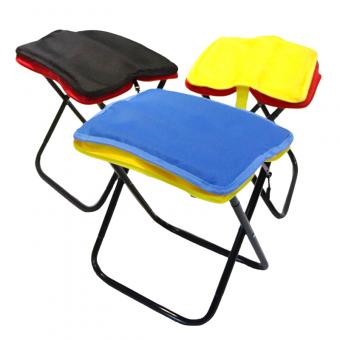
Бренд : ФАБРИКА АНЬХОЙ ФАЙСТЕЛ Связанное производство : OEM и ODM-производители Продукт : Изготовленный на заказ легкий складной стул-луноход из металлического железа обеспечивает надежную поддержку и комфорт, идеально подходит для кемпинга на открытом воздухе, а его компактная, портативная конструкция удобна для транспортировки и хранения.
Бренд : ANHUI FEISTEL FACTORY Сопутствующее производство : OEM и ODM Продукт : Портативный складной складной столик для пикника на открытом воздухе: легкий, прочный алюминиевый дизайн с регулируемой высотой, простой установкой и компактной сумкой для переноски для кемпинга, пикников и активного отдыха.
Бренд : ANHUI FEISTEL FACTORY Сопутствующее производство : OEM и ODM Продукт : Универсальный портативный походный стол для барбекю IGT с регулируемыми по высоте ножками. Идеально подходит для приготовления пищи на открытом воздухе, кемпинга и пикников. Легкий и складной для удобства транспортировки.
Бренд : ANHUI FEISTEL FACTORY Сопутствующее производство : OEM и ODM Изделие : Компактный и легкий складной алюминиевый стол, идеально подходящий для кемпинга, пляжа или активного отдыха. Легко носить с собой, прочный и идеально подходит для хранения еды и напитков.
Бренд : ФАБРИКА АНЬХОЙ ФАЙСТЕЛ Связанное производство : OEM и ODM-производители Продукт : Этот складной деревянный шезлонг для кемпинга отличается прочной рамой, эргономичной откидывающейся спинкой и компактной складной конструкцией — идеально подходит для отдыха на пляже, в кемпинге или на заднем дворе.
Бренд : ФАБРИКА АНЬХОЙ ФАЙСТЕЛ Связанное производство : OEM и ODM-производители Продукт : Этот складной стул для кемпинга с алюминиевой рамой имеет регулируемую спинку, легкую, но прочную конструкцию, обеспечивающую портативный комфорт во время кемпинга, поездок на пляж, пикников и отдыха на свежем воздухе.
Бренд : Фабрика Анхуи Фейстель Связанное производство : OEM и ODM Продукт : Этот мини-стул для походов и путешествий сочетает в себе прочную складную конструкцию из ткани Оксфорд и оригинальный карман для пенала, обеспечивая портативность, комфорт и практичность для кемпинга и приключений на природе.
Бренд : ФАБРИКА АНЬХОЙ ФАЙСТЕЛ Связанное производство : OEM и ODM-производители Продукт : Оптовый спальный матрас для путешествий от компании «Triple Equipment» представляет собой складную походную раскладушку с регулируемой высотой, обеспечивающую надежную поддержку, удобство переноски и комфортный отдых во время приключений на свежем воздухе.
Бренд : ANHUI FEISTEL FACTORY Сопутствующее производство : OEM и ODM Продукт : Сверхлегкая одиночная компактная портативная складная походная кровать, идеально подходящая для пеших прогулок, с прочным каркасом, простой установкой и удобной сумкой для переноски в путешествиях.
ДАВАЙТЕ ОСТАВАТЬСЯ НА СВЯЗИ :